Regular Cleaning in Modern Living: Why Consistency Matters for Health, Comfort, and Long-Term Value
Why Regular Cleaning Deserves More Attention
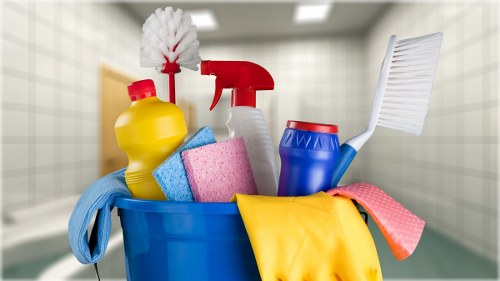
Regular cleaning is more than a household chore; it is one of the simplest ways to protect your health, improve comfort, and create a space that feels calm and welcoming every day. In busy homes, workplaces, and shared environments, dirt builds up quickly. Dust settles on surfaces, bacteria spreads through high-touch points, and clutter gradually affects how people move, think, and feel. When cleaning is done consistently, spaces stay fresher, materials last longer, and daily routines become easier to manage.
Many people wait until a room looks messy before taking action, but regular cleaning works best as a habit rather than a reaction. Small, repeated efforts are often more effective than occasional deep cleans because they prevent buildup before it becomes difficult to remove. This approach saves time, reduces stress, and helps maintain a healthier environment with less effort overall. For homeowners, tenants, office managers, and property caretakers, this makes cleaning a practical investment instead of a burden.
Another important benefit of regular cleaning is the way it supports first impressions. A tidy kitchen, sparkling bathroom, dust-free shelf, or neatly maintained office tells visitors and clients that the space is cared for. Whether you are managing a home or a business, consistent cleaning helps you present a polished, professional image while also improving everyday life for everyone who uses the space.
The Health Benefits of Regular Cleaning
One of the strongest reasons to prioritize regular cleaning is the impact it has on health. Dust, allergens, mold spores, pet dander, and germs can build up in carpets, corners, furniture, and neglected surfaces. When these contaminants are left unchecked, they can affect breathing, trigger allergies, and make indoor environments less comfortable. Consistent cleaning helps remove these particles before they become a bigger problem.
High-touch areas deserve special attention because they are common transfer points for bacteria and viruses. Door handles, switches, remote controls, countertops, faucets, and shared desks should be cleaned often to reduce the spread of illness. A regular cleaning routine does not need to be complicated; it simply needs to be reliable. Even short daily sessions can make a significant difference in hygiene and safety.
For families with children, older adults, or people with sensitivities, the importance of regular cleaning becomes even greater. Young children spend time on floors and touch everything in reach. Older adults may be more vulnerable to respiratory issues or infections. A cleaner space reduces exposure to unnecessary risks and creates a healthier environment for everyone.
Cleaner Air and Better Comfort
Indoor air quality often improves when regular cleaning is part of the routine. Dust and debris are less likely to circulate when surfaces, vents, and floors are cared for consistently. This can make rooms feel fresher, reduce odors, and support a more pleasant atmosphere. People often underestimate how much a clean environment affects mood and energy, but the connection is very real.
How Regular Cleaning Supports Organization and Productivity
A tidy environment is easier to use, easier to enjoy, and easier to maintain. Regular cleaning naturally encourages organization because items are returned to their proper places and unnecessary clutter is removed before it takes over. This makes it simpler to find what you need, whether you are looking for keys, documents, kitchen tools, or work materials.
In a home, cleaning regularly can reduce the feeling of being overwhelmed. Instead of facing an enormous cleanup task at the end of the week, you can stay ahead with small, manageable actions. In an office, the same principle improves productivity. Workers spend less time dealing with mess and more time focusing on important tasks. Clean surfaces, clear pathways, and structured storage all contribute to smoother daily operations.
Regular cleaning also makes it easier to identify issues early. A stain, leak, crack, or pest problem is more likely to be noticed when spaces are maintained consistently. This early detection can prevent expensive repairs and save time in the long run. In that sense, cleaning is not just maintenance; it is a form of prevention.
Why Clutter Control Matters
Clutter can create mental fatigue and make rooms feel smaller or more chaotic. When regular cleaning includes light decluttering, spaces become more functional and visually appealing. A few minutes spent sorting, wiping, and organizing can change the way a room feels. This is especially useful in kitchens, bathrooms, entryways, and workstations where daily use creates constant movement.
Key Areas to Focus on During Regular Cleaning

Not all cleaning tasks are equally important. A successful regular cleaning routine focuses on the areas that collect the most dirt, dust, and germs. By prioritizing the right spots, you can keep your environment in excellent condition without wasting time or energy on less essential tasks.
The kitchen is one of the most important areas to maintain because food preparation requires high hygiene standards. Countertops, sinks, appliance handles, cabinet fronts, and floors should be cleaned frequently. Leftover crumbs, grease, and moisture can attract pests and create unpleasant odors if ignored. In bathrooms, soap scum, moisture, and bacteria make consistent cleaning essential for both cleanliness and comfort.
Living rooms and bedrooms also benefit from regular attention. Dust accumulates on shelves, baseboards, electronics, curtains, and upholstery. Vacuuming, wiping surfaces, and changing linens all contribute to a cleaner, more relaxing space. Offices, reception areas, and commercial environments need regular cleaning too, especially where clients, employees, or guests gather every day.
Important High-Touch Surfaces
- Door handles and knobs
- Light switches
- Remote controls and shared devices
- Countertops and table surfaces
- Faucets and sink fixtures
- Desk surfaces and chair arms
These areas should be part of every regular cleaning checklist because they are touched frequently and can quickly spread dirt or germs. A focused routine helps keep the entire space safer and more hygienic.
Building an Effective Regular Cleaning Routine
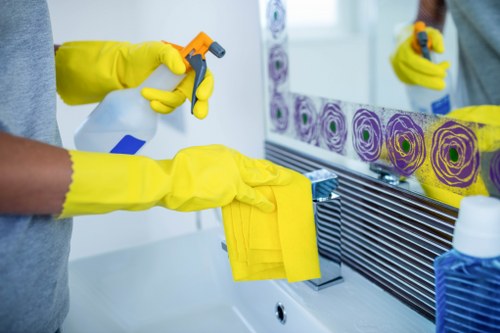
Creating a practical regular cleaning routine is easier when tasks are divided into daily, weekly, and monthly categories. This structure helps prevent burnout and makes cleaning feel more manageable. Instead of trying to do everything at once, you can assign simple tasks to specific days and keep the workload balanced.
Daily cleaning usually includes quick tasks such as wiping counters, washing dishes, sweeping high-traffic floors, making beds, and putting items back in place. These small habits help prevent mess from spreading and keep your environment presentable throughout the week.
Weekly cleaning is the time to handle deeper tasks like vacuuming carpets, mopping floors, cleaning bathrooms, dusting furniture, and changing linens. A weekly routine gives the space a more thorough refresh and helps maintain a higher level of cleanliness overall.
Monthly cleaning can include less frequent but still important chores such as cleaning behind furniture, washing windows, disinfecting storage areas, and organizing cabinets or closets. Some spaces may need these tasks more often depending on usage, but monthly attention is a solid baseline for many homes and workplaces.
A Simple Cleaning Structure
- Start with clutter removal
- Dust and wipe surfaces
- Clean bathrooms and kitchens
- Vacuum and mop floors
- Finish with touch-up tasks and odor control
This sequence works well because it follows the natural flow of cleaning from top to bottom and from dry tasks to wet ones. It helps reduce repeated work and improves efficiency.
Regular Cleaning in Homes: Creating a Better Everyday Environment
In residential spaces, regular cleaning supports comfort, safety, and peace of mind. A home should feel like a place of rest, and that feeling is difficult to achieve when surfaces are dirty or clutter is out of control. Consistent cleaning helps every room serve its purpose more effectively, whether it is a kitchen for family meals, a bedroom for sleep, or a living area for relaxation.
Homeowners and renters alike benefit from clean surroundings because maintenance becomes easier when problems are addressed early. Floors last longer when dirt is removed regularly. Furniture stays in better condition when dust and spills are cleaned promptly. Bathrooms and kitchens remain more pleasant when moisture and residue are managed consistently. These small actions protect the value of the property as well as the quality of daily life.
Families often find that regular cleaning also improves household routines. Children learn responsibility when they participate in simple tasks such as putting toys away or wiping their own messes. Adults spend less time dealing with disorganization and more time enjoying the home. A well-kept space encourages calm, which can make evenings and weekends feel more restorative.
Tips for Busy Households
- Use short cleaning sessions instead of long exhausting ones
- Assign small tasks to each family member
- Keep basic supplies in easy-to-reach places
- Clean as you go during cooking and daily routines
- Set a weekly reset day for main areas
Regular Cleaning in Workplaces and Commercial Spaces
Businesses benefit enormously from regular cleaning because appearance, hygiene, and efficiency all influence success. In offices, shops, clinics, and shared workspaces, cleanliness affects how employees feel and how clients perceive the organization. A clean business environment communicates professionalism, attention to detail, and respect for everyone who enters.
Employee productivity can also improve in a clean workplace. When desks are organized and common areas are maintained, people waste less time searching for items or navigating clutter. Clean surroundings can contribute to better focus, fewer distractions, and a more positive workplace culture. In customer-facing businesses, regular cleaning helps create a welcoming atmosphere that builds trust and encourages repeat visits.
Commercial environments often have different cleaning needs than homes because of higher traffic and stricter hygiene standards. Restrooms, entryways, waiting areas, break rooms, and shared equipment require regular attention. A cleaning schedule should reflect how the space is used and which areas are most exposed to foot traffic or contamination.
Why Businesses Should Stay Consistent
When cleaning is delayed in a commercial setting, the consequences can be more visible and more costly. Dust, odors, stains, and unsanitary conditions can affect customer satisfaction and employee morale. Regular cleaning helps businesses avoid these problems and maintain a stable, polished appearance day after day.
The Long-Term Value of Regular Cleaning
One of the most overlooked advantages of regular cleaning is the long-term value it creates. Clean surfaces and well-maintained spaces tend to last longer because dirt, grime, and moisture do less damage over time. This applies to floors, countertops, appliances, furniture, fabrics, and fixtures. The more consistently you clean, the less likely you are to face premature wear or costly replacements.
This also applies to property value. A home that is regularly cleaned and cared for is often easier to maintain, easier to show, and more appealing overall. Even when deep cleaning is eventually needed, the task is less overwhelming because buildup has been controlled along the way. For businesses, regular cleaning supports brand image and can influence how clients judge the quality of the service or product offered.
Regular cleaning can even reduce stress-related costs in a practical sense. Fewer emergency repairs, less time spent on major cleanup, and reduced exposure to health issues all add up. While cleaning may seem like a simple task, its impact is broad and lasting. It supports the condition of the space, the well-being of the people in it, and the overall experience of daily life.
Small Habits with Big Results
Simple daily habits often produce the biggest results. Wiping spills immediately, removing dust before it settles, and tidying a room before bed can prevent larger problems later. These actions may seem minor, but they form the foundation of an effective cleaning culture.
Common Mistakes People Make with Regular Cleaning
Although many people want a cleaner space, they often fall into habits that make regular cleaning less effective. One common mistake is focusing only on visible mess while ignoring hidden areas. Dust behind furniture, grime under appliances, and buildup in corners can quickly undo the work done in more obvious places. A balanced approach is always better.
Another issue is waiting too long between cleaning sessions. When tasks are postponed, dirt becomes harder to remove and the job takes more time. This can lead to frustration and inconsistency. A realistic routine is easier to maintain than an idealized schedule that never gets followed. Consistency matters more than perfection.
People also sometimes use the wrong products or tools for the job. Harsh chemicals, unsuitable cloths, or worn-out vacuums can reduce cleaning quality and even damage surfaces. Choosing the right supplies and using them correctly makes regular cleaning more efficient and safer for the space.
How to Avoid These Mistakes
- Include hidden and hard-to-reach areas in your routine
- Clean small messes before they grow
- Use appropriate products for each surface
- Replace worn cleaning tools regularly
- Follow a realistic schedule you can sustain
Making Regular Cleaning Easier Over Time
The best way to stay consistent with regular cleaning is to make the process easier from the start. Keep supplies organized and accessible. Store wipes, sprays, cloths, sponges, brushes, and vacuums where they can be reached quickly. When tools are easy to access, small tasks are more likely to be done immediately instead of delayed.
Another useful strategy is to pair cleaning with existing habits. For example, wipe the kitchen after cooking, clear surfaces before leaving a room, or do a quick reset before bedtime. These connections reduce the mental effort needed to remember separate cleaning tasks. Over time, regular cleaning becomes part of the natural rhythm of the day.
Technology and simple planning tools can also help. Timers, reminder apps, checklists, and rotating schedules can turn cleaning into a clear system rather than a vague obligation. The goal is not to spend every spare moment cleaning, but to create an environment that stays in good shape with reasonable effort.
Regular cleaning works best when it feels manageable. The easier it is to start, the more likely it is to continue. That is why efficiency, organization, and realistic expectations matter so much.
Conclusion: Why Regular Cleaning Is a Smart Daily Habit
Regular cleaning is one of the most practical ways to improve health, comfort, productivity, and long-term value in any space. It protects against dust, allergens, germs, and damage while also making rooms feel more organized and inviting. Whether you are caring for a family home, a busy office, or a customer-facing business, consistency is the key to lasting results.
By focusing on high-touch surfaces, building a realistic routine, and avoiding common mistakes, you can keep your environment in excellent condition without feeling overwhelmed. The benefits go beyond appearance. Clean spaces support better breathing, smoother routines, fewer disruptions, and a more positive mindset. That is why regular cleaning should never be seen as optional maintenance; it is an essential part of comfortable modern living.
If you want to enjoy a cleaner, healthier, and more efficient space, start with small steps today. Book your service now or contact us today to take the next step toward a consistently fresh environment.