End of Tenancy Cleaning: A Practical, SEO-Friendly Approach to a Smooth Move-Out
When a tenancy comes to an end, one of the most important tasks on a tenant’s checklist is end of tenancy cleaning. Whether you are leaving a flat, a studio, a family home, or a shared property, the condition you leave it in can affect your deposit, your landlord relationship, and the speed of your final inspection. A properly planned end of tenancy cleaning process helps ensure the property is left spotless, presentable, and ready for the next occupant.
For many people, moving is already stressful. Packing boxes, organizing transport, changing addresses, and handling paperwork can take up a lot of time and energy. That is why end of tenancy cleaning should not be treated as an afterthought. It is a critical part of the move-out process, and in many tenancy agreements, it is expected that the property will be returned to the same level of cleanliness as when the tenancy began, allowing for fair wear and tear.
In this article, we will explore what end of tenancy cleaning involves, why it matters, what areas require the most attention, and how to approach it effectively. If you are a tenant preparing to move, a landlord preparing for new occupants, or simply someone interested in professional move out cleaning, this article will help you understand the process in a practical way.
What Is End of Tenancy Cleaning?

End of tenancy cleaning is a deep and detailed cleaning process carried out when a tenant is leaving a rented property. The aim is to restore the property to a clean, hygienic, and presentable condition so it is ready for inspection or for the next tenant to move in. Unlike regular weekly cleaning, this process is far more thorough and typically covers every room, appliance, fixture, and surface.
The term is often used interchangeably with move out cleaning, vacate cleaning, or rental property cleaning. Although the exact expectations may vary depending on the tenancy agreement, most landlords and letting agents expect the property to be cleaned to a professional standard. This means removing built-up dirt, dust, grease, soap residue, limescale, stains, and any signs of neglect that go beyond normal use.
In practical terms, end of tenancy cleaning is about more than just making a property look tidy. It is about meeting tenancy obligations, protecting your deposit, and avoiding unnecessary disputes. A well-executed end of tenancy cleaning job demonstrates responsibility and helps the handover process go more smoothly.
Why End of Tenancy Cleaning Matters
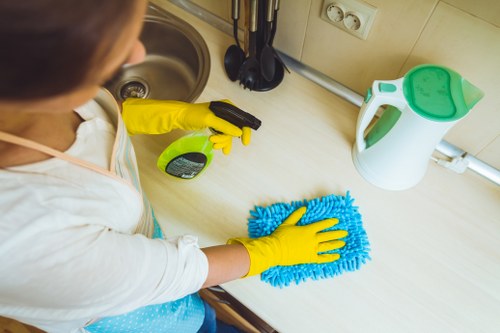
One of the biggest reasons tenants focus on end of tenancy cleaning is the deposit. In many rental agreements, the landlord or letting agency can make deductions if the property is not returned in an acceptable condition. A thorough clean can reduce the risk of deductions related to dirt, stains, or neglected areas.
Another important factor is the final inspection. A clean property gives a strong impression and can make the handover process quicker and less stressful. When the property is spotless, there is less chance of disagreements over cleanliness. This is especially helpful when you want to move out efficiently and avoid delays in receiving your deposit back.
There is also a practical side to it. A deep-cleaned property is easier for the next tenant or owner to settle into, and it reflects well on the outgoing tenant. For landlords, it reduces turnaround time between tenancies. For tenants, it creates a clean exit and a better overall moving experience. In short, end of tenancy cleaning is both a financial and a professional responsibility.
What Does End of Tenancy Cleaning Include?
Although the exact checklist may vary, a full end of tenancy cleaning service usually includes every major area of the property. The goal is to clean beyond everyday maintenance and reach the details that are often missed during standard cleaning.
Common tasks include:
- Dusting and wiping all accessible surfaces
- Vacuuming carpets and rugs
- Cleaning hard floors thoroughly
- Degreasing kitchen surfaces and appliances
- Removing limescale from bathrooms
- Cleaning skirting boards, doors, and handles
- Wiping inside cupboards and drawers
- Cleaning windows, glass, and mirrors
- Removing cobwebs and wall dust
- Emptying bins and sanitizing waste areas
More advanced cleaning may also involve oven cleaning, fridge cleaning, upholstery spot treatment, stain removal, and internal window cleaning. Some properties may also require carpet steam cleaning, depending on the tenancy agreement. If pets were present, extra attention may be needed to remove odors, fur, and allergen build-up.
Room-by-Room End of Tenancy Cleaning Checklist
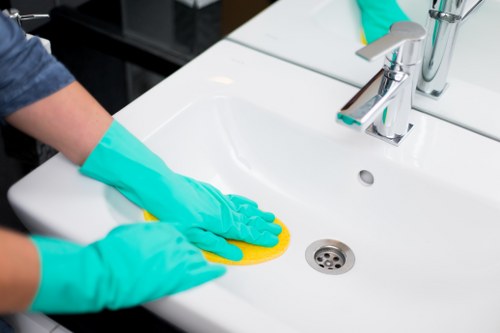
A structured checklist is one of the best ways to approach end of tenancy cleaning. It keeps the process organized and ensures that no major area is forgotten. Working room by room also makes the job feel more manageable, especially if you are doing the cleaning yourself.
Living Room
The living room often collects dust, fingerprints, and general surface grime. Clean all furniture surfaces, skirting boards, shelves, switches, and sockets. Vacuum under sofas and chairs, wipe any marks from walls where possible, and clean windows, mirrors, and glass panels. If carpets are present, pay special attention to stains and edges.
Kitchen
The kitchen is usually the most demanding part of end of tenancy cleaning. Grease and food residue build up quickly, especially around cookers, extractors, splashbacks, and cupboards. Deep-clean the oven, hob, sink, taps, and appliances. Empty and wipe inside all cabinets and drawers. Clean the fridge, freezer, microwave, and dishwasher if included. Do not forget the floor, bin area, and behind appliances where dust and dirt often collect.
Bedrooms
Bedrooms require dusting of all surfaces, wardrobes, and shelves. Clean inside drawers and closets, vacuum floors thoroughly, and remove marks from doors and handles. If the room includes curtains, blinds, or built-in storage, these should also be checked for dust and debris. A tidy, fresh-smelling bedroom contributes significantly to the overall success of the end of tenancy cleaning process.
Bathroom
Bathrooms need intensive cleaning because moisture can cause limescale, soap residue, and mildew. Scrub the toilet, sink, bathtub, shower screen, tiles, and taps. Remove limescale from fittings and clean mirrors until streak-free. Sanitize high-touch points like handles and switches. A professional-looking bathroom is often one of the first things noticed during inspection.
How to Prepare for End of Tenancy Cleaning

Preparation makes end of tenancy cleaning much easier and more effective. Before starting, remove all personal belongings, furniture you are taking with you, and any items that might block access to corners, cupboards, or floors. Cleaning an empty property is much faster and produces better results.
It also helps to check your tenancy agreement before you begin. Some contracts specify professional cleaning requirements, carpet cleaning, or particular standards of cleanliness. Understanding these expectations in advance allows you to plan the job properly and avoid missed details that could lead to deductions.
Here are a few useful preparation steps:
- Take photos of the property before cleaning for your own records.
- Gather cleaning supplies such as microfiber cloths, disinfectant, degreaser, and glass cleaner.
- Defrost the freezer in advance if it needs thorough cleaning.
- Schedule cleaning after moving furniture out, if possible.
- Leave enough time for drying, especially for bathrooms and carpets.
Planning ahead reduces stress and gives you more control over the final result. A rushed clean is more likely to miss key areas, while a well-prepared end of tenancy cleaning session can make the whole process much smoother.
DIY End of Tenancy Cleaning vs Professional Cleaning
Many tenants wonder whether they should do the cleaning themselves or hire a professional service. The answer depends on time, budget, and the condition of the property. Both options can work, but each has its own advantages.
DIY Cleaning
Doing the cleaning yourself can save money, especially if the property is small and already in good condition. It gives you control over the process and allows you to focus on the areas you believe matter most. However, DIY end of tenancy cleaning can be time-consuming, physically demanding, and easy to underestimate. Without professional equipment, it can also be difficult to tackle stubborn stains, heavy grease, or deep carpet dirt.
Professional Cleaning
Hiring a professional team can be more efficient and may offer better results, especially for larger properties or homes that need deep cleaning. Professional cleaners bring expertise, experience, and specialized products that help handle demanding tasks like oven cleaning, upholstery treatment, and limescale removal. For many tenants, the biggest advantage is peace of mind.
To decide which approach is best, consider the following:
- Time available: Do you have enough time to clean properly?
- Property size: Larger homes often take much longer to clean.
- Condition: Has the property been regularly maintained?
- Tenancy rules: Does your agreement require professional cleaning?
- Budget: Is paying for a service worth the reduced stress?
In many cases, a hybrid approach works well: handle some areas yourself and bring in professionals for the toughest tasks. If your priority is a hassle-free move, book your service now and leave the heavy lifting to experienced cleaners.
Common Problem Areas Tenants Often Miss

Even when a property looks clean at first glance, there are often hidden areas that can cause problems during inspection. These forgotten spots are a common reason for disputes, so they deserve special attention during end of tenancy cleaning.
Behind and Under Furniture
Dust, crumbs, and debris often gather beneath beds, sofas, wardrobes, and appliances. Move items where possible and clean underneath carefully. This is one of the easiest ways to improve the overall result.
Skirting Boards and Corners
Skirting boards, corners, and door frames collect dust and grime over time. Wiping them down can make rooms look noticeably fresher. Cobwebs in corners and ceilings should also be removed.
Switches, Handles, and Touch Points
Light switches, door handles, cupboard knobs, and remote controls are frequently touched but often forgotten. These high-touch areas should be cleaned and sanitized during the end of tenancy cleaning process.
Window Tracks and Sills
Windows may look fine from a distance, but tracks, ledges, and sills often hold dust, dead insects, and grime. Cleaning these areas helps improve the final presentation of the property.
Inside Appliances
Microwaves, fridges, freezers, ovens, and washing machines can all contain hidden dirt or odors. Empty, wipe, and disinfect them thoroughly before inspection.
Best Practices for a Successful Move-Out Clean
If you want your end of tenancy cleaning to be effective, it helps to use a methodical approach rather than cleaning randomly. Start from the top of each room and work downward so dust and debris fall onto areas you have not yet cleaned. This saves time and avoids repeating tasks.
Use the right products for each surface. For example, a degreaser works well in the kitchen, while a limescale remover is ideal for bathroom fittings. Microfiber cloths are excellent for trapping dust and minimizing streaks. Avoid using harsh products on delicate materials unless they are suitable for that surface.
Work in stages. One good strategy is to clean one room at a time, finishing each space completely before moving on to the next. Another option is to divide tasks by type, such as dusting first, then vacuuming, then deep cleaning kitchen and bathroom areas. Either method can work as long as it keeps the process organized.
It is also wise to leave time for final touch-ups. Once the main cleaning is done, walk through the property and inspect it from the perspective of a landlord or letting agent. Look for smudges, dust lines, missed marks, or areas that need a second pass. This final review can make a major difference in the outcome of your end of tenancy cleaning.
How End of Tenancy Cleaning Supports a Faster Deposit Return
Although deposit returns depend on several factors, cleanliness plays a major role. A property that is returned in excellent condition is less likely to trigger disputes or deductions. This makes end of tenancy cleaning one of the most practical ways to protect your money at the end of a tenancy.
When the property is clean and well presented, the inspection is usually more straightforward. There is less room for disagreement over dirt, grease, or stains. This can speed up the handover process and make it easier for the landlord or agent to approve the property’s condition.
Remember that normal wear and tear is not the same as neglect. Small signs of use are expected, but dirt, food residue, and obvious buildup can still affect the final outcome. A thorough move out cleaning effort shows that you have taken your responsibilities seriously, which can help avoid unnecessary back-and-forth after moving out.
When Should You Schedule End of Tenancy Cleaning?
Timing matters. The best time for end of tenancy cleaning is usually after all belongings have been removed from the property and before the final inspection. This gives you full access to floors, shelves, appliances, and storage spaces.
If you are doing the cleaning yourself, try to schedule it at least a day before the handover so you have time for drying and final checks. If you are hiring professionals, booking in advance is a good idea, especially during busy moving seasons. The earlier you plan, the more likely you are to secure the time slot you need.
For best results, coordinate cleaning with other move-out tasks such as meter readings, key returns, and travel arrangements. That way, the end of your tenancy feels more organized and less rushed. A well-timed end of tenancy cleaning appointment can significantly reduce stress during an otherwise hectic period.
Final Thoughts on End of Tenancy Cleaning
End of tenancy cleaning is one of the most important tasks when leaving a rental property. It protects your deposit, supports a smooth inspection, and leaves a positive impression on the landlord or letting agent. Whether you choose to do the work yourself or hire professionals, the goal is the same: leave the home clean, fresh, and ready for the next person.
By focusing on the details, using the right cleaning methods, and following a room-by-room approach, you can handle end of tenancy cleaning with confidence. Pay close attention to kitchens, bathrooms, hidden corners, and high-touch surfaces. Plan ahead, stay organized, and allow enough time for a proper deep clean.
If you are preparing to move and want a stress-free finish, take action now. Contact us today or book your service now to make your end of tenancy cleaning easier, more efficient, and more effective. A spotless property can make all the difference when it is time to hand back the keys.
Quick Recap
- End of tenancy cleaning helps protect your deposit.
- It includes deep cleaning of kitchens, bathrooms, bedrooms, and living areas.
- Preparation and planning improve results significantly.
- Professional cleaning can save time and reduce stress.
- Hidden areas and appliances should never be overlooked.
End of tenancy cleaning does not have to be overwhelming. With the right approach, it becomes a manageable final step in your move that helps you leave on good terms and with greater peace of mind.