Communal Area Cleaning: Creating Safer, Healthier Shared Spaces
Why Communal Area Cleaning Matters for Modern Properties
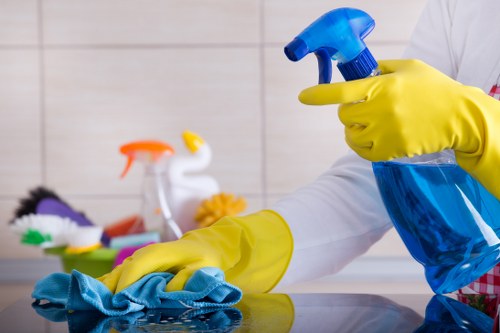
Communal area cleaning plays a vital role in keeping shared spaces clean, welcoming, and hygienic for everyone who uses them. Whether it is an apartment block, office building, school, residential complex, or mixed-use property, communal spaces are the first areas people notice when they enter a building. Clean hallways, spotless stairwells, polished lobbies, and sanitised touchpoints make a powerful impression and help support a healthier environment for residents, staff, and visitors.
In today’s fast-paced world, shared space maintenance is no longer a luxury. It is a practical necessity. Dust, litter, fingerprints, spills, and bacteria can quickly build up in communal areas, especially where many people pass through each day. Regular communal area cleaning reduces unpleasant odours, improves indoor air quality, and helps prevent the spread of germs in high-traffic environments.
Property owners and managers often underestimate how much the condition of common spaces affects the overall experience of a building. A well-maintained lobby or corridor suggests care, professionalism, and safety. On the other hand, neglected shared areas can lead to complaints, lower tenant satisfaction, and even property devaluation. That is why a consistent communal cleaning schedule is essential for long-term building upkeep.
What Communal Area Cleaning Includes
Communal area cleaning covers all shared parts of a property that are used by multiple occupants. The exact services may vary depending on the building type, but most cleaning plans include a wide range of tasks designed to keep every high-use area tidy and safe.
Typical areas covered
- Entrances, reception areas, and lobbies
- Staircases, handrails, and landings
- Lifts and elevator buttons
- Hallways and corridors
- Shared kitchens and break rooms
- Toilets and washrooms
- Rubbish and recycling areas
- Mailrooms and parcel areas
- External walkways and access points
Each of these spaces requires different cleaning methods, products, and frequencies. For example, lift buttons and door handles need frequent disinfection, while carpets in corridors may need vacuuming and periodic deep cleaning. Outdoor entry points may need sweeping, debris removal, and washing, especially in bad weather. Effective common area cleaning services are tailored to match the building’s daily usage and specific hygiene risks.
In many properties, communal areas serve as shared circulation spaces. That means dirt from outside, footprints, spills, and waste tend to accumulate quickly. A reliable building communal cleaning plan keeps these areas presentable while also protecting flooring, fixtures, and furnishings from premature wear.
Benefits of Regular Communal Area Cleaning
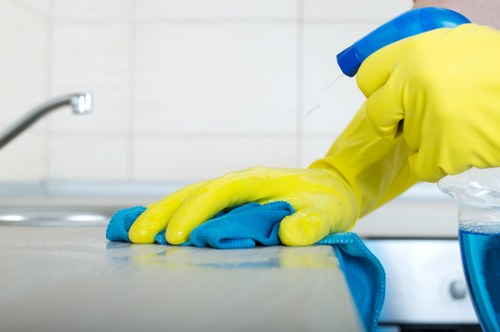
Investing in communal area cleaning offers more than visual appeal. It delivers practical benefits that affect safety, comfort, building performance, and occupant satisfaction. When cleaning is done regularly and correctly, it supports a healthier and more enjoyable environment for everyone.
1. Improved hygiene: Shared areas can harbour bacteria and viruses, particularly on touchpoints such as railings, door handles, switches, and lift controls. Routine disinfection lowers the risk of germs spreading between residents, employees, or visitors.
2. Better first impressions: Clean communal spaces create a professional and welcoming atmosphere. This matters in residential blocks, offices, and commercial premises where image influences trust and confidence.
Additional advantages
- Reduces unpleasant smells caused by waste or dampness
- Helps prevent slip and trip hazards from spills or debris
- Extends the life of flooring, carpets, and furniture
- Supports fire safety by keeping escape routes clear
- Improves tenant satisfaction and occupant wellbeing
- Helps property managers meet hygiene expectations
Another important benefit is consistency. When communal area cleaning is carried out on a scheduled basis, problems are identified early. A small spill, for instance, can be cleaned before it leaves stains or causes an accident. Regular checks can also spot maintenance issues such as leaks, broken fixtures, or pest activity before they become larger concerns.
Communal Area Cleaning for Residential Buildings
Residential properties rely heavily on effective communal area cleaning because these spaces are used daily by tenants, visitors, delivery drivers, and maintenance staff. Apartment blocks, housing estates, and shared accommodation buildings often contain high-traffic zones that need careful attention to stay clean and inviting.
In residential settings, residents expect hallways, staircases, and entrances to feel safe and well cared for. Dirty floors, overflowing bins, or dusty corners can quickly lead to complaints. A planned residential communal cleaning routine helps property managers maintain peace of mind for occupants while preserving the building’s condition.
Typical residential cleaning tasks often include vacuuming carpets, mopping hard floors, wiping banisters, sanitising door handles, emptying bins, cleaning internal windows, and removing cobwebs. In larger developments, cleaning may also extend to bike stores, bin stores, communal lounges, and laundry rooms. Shared area maintenance is most effective when it covers both appearance and hygiene.
Key residential priorities
- Clean and odour-free entrances
- Regular stairwell and corridor cleaning
- Sanitised handrails and door touchpoints
- Safe, clear access routes
- Waste and recycling areas kept under control
Communal Area Cleaning in Commercial Buildings

In commercial properties, communal area cleaning can influence workplace morale, client perception, and operational efficiency. Offices, business centres, co-working spaces, and retail premises often have shared lobbies, kitchens, meeting zones, and washrooms that experience constant use throughout the day.
Because foot traffic is so high, commercial shared spaces require targeted cleaning strategies. A professional commercial communal cleaning service usually focuses on high-touch zones, visible surfaces, and safety-critical areas. These are the places where dirt builds up fastest and where neglect becomes obvious most quickly.
Well-cleaned common areas help companies maintain a positive image. Employees are more comfortable in tidy surroundings, and visitors are more likely to see the business as organised and trustworthy. Clean shared kitchens and toilets also contribute to staff wellbeing, which can support productivity and retention.
Common commercial tasks
- Cleaning lobbies, reception desks, and waiting areas
- Disinfecting shared kitchens and food prep surfaces
- Emptying bins and recycling containers
- Cleaning glass doors and partition panels
- Vacuuming carpets and machine-scrubbing hard floors
- Maintaining lift interiors and stairwells
- Wiping down touchpoints multiple times per day where needed
For businesses, the cleaning schedule may need to be flexible. Some buildings need daily service, while others can be maintained several times a week. The right plan depends on occupancy, building size, and the nature of the activity taking place inside the premises.
How Professional Communal Area Cleaning Works
A professional communal area cleaning service usually begins with an assessment of the building, its layout, and its cleaning requirements. This helps determine the right tasks, frequency, products, and staffing levels. A tailored approach is important because no two properties are exactly alike.
The cleaning process typically includes routine maintenance and periodic deep cleaning. Routine service focuses on visible dirt, hygiene, and touchpoint sanitation, while deep cleaning addresses built-up grime, hidden dust, and harder-to-reach areas. When both are used together, the result is a more complete and lasting level of cleanliness.
Professional cleaners may use vacuum cleaners, mops, microfiber cloths, disinfectants, pressure washers, floor machines, and specialist detergents depending on the surfaces being treated. Effective communal cleaning services also pay attention to safety, using the right methods to avoid damage to flooring or fixtures.
Example service process
- Inspect the communal area and identify priority zones
- Remove rubbish, debris, and visible dirt
- Vacuum, sweep, or mop the floors
- Disinfect high-touch surfaces
- Clean glass, mirrors, and internal signage
- Check for odours, spills, or maintenance issues
- Report concerns that may require repairs
Why High-Touch Point Cleaning Is Essential
When people talk about communal area cleaning, high-touch point cleaning should always be part of the conversation. These are surfaces that many hands touch every day, making them more likely to carry germs and grime. Because they are used so frequently, they need more than occasional wiping.
High-touch surfaces include railings, door handles, elevator buttons, light switches, intercoms, counter edges, bin lids, and push plates. In a busy shared environment, these surfaces can quickly become contaminated. That is why communal hygiene maintenance should prioritise frequent disinfection of these points throughout the building.
Consistent high-touch cleaning is especially important during cold and flu season, in periods of increased illness, or in places where many vulnerable people live or work. Regular disinfection helps reduce the spread of germs and reassures occupants that the property is being responsibly maintained.
Best practices for touchpoint cleaning
- Use approved disinfectants on suitable surfaces
- Clean visibly dirty areas before disinfecting
- Focus on handles, buttons, switches, and rails
- Increase frequency during peak usage periods
- Use microfiber cloths to trap dust and particles
In short, a strong communal area cleaning routine is not complete without regular attention to high-contact zones. These small details make a big difference to overall hygiene and user confidence.
Cleaning Schedules and Frequency
The success of communal area cleaning depends heavily on the right cleaning frequency. Some properties need daily attention, while others only require several visits per week. The ideal schedule depends on usage, building type, weather exposure, and whether the space contains food, waste, or healthcare-related activity.
A low-traffic residential building may manage with two or three weekly visits, while a large office complex or apartment block with many occupants may need daily service. Lifts, entrance areas, and washrooms usually require the most frequent care because they accumulate dirt and bacteria faster than quieter spaces.
When creating a schedule, property managers should think about both visible cleanliness and hygiene. A floor may look clean but still need sanitising, especially if it has been heavily used. Planned communal cleaning ensures nothing is missed and prevents a “clean only when necessary” approach that often leads to complaints.
Factors affecting frequency
- Number of occupants or visitors
- Size of the communal space
- Type of flooring and surfaces
- Presence of bins, kitchens, or toilets
- Seasonal weather conditions
- Building use, such as residential or commercial
Regular communication between cleaners, managers, and occupants can also improve scheduling. For example, if a building hosts frequent deliveries or events, cleaning can be adjusted to handle the extra traffic and mess.
Common Challenges in Communal Area Cleaning
Although communal area cleaning is essential, it is not always straightforward. Shared spaces present a number of challenges, particularly in buildings with many users, shifting occupancy patterns, or limited storage for cleaning equipment.
One of the biggest challenges is maintaining cleanliness between scheduled visits. A corridor may be cleaned in the morning and then quickly dirtied by rain, debris, or a high number of users. Similarly, bin rooms can become unpleasant if waste is not managed properly. This is why responsive cleaning and clear reporting are so valuable.
Another challenge is balancing thorough cleaning with minimal disruption. Residents and workers still need access to the building, so cleaning often has to be timed carefully. Professional cleaners learn how to work efficiently while respecting privacy, noise levels, and safety requirements.
Other common issues
- Stubborn stains on carpets or hard floors
- Graffiti or marks on walls and doors
- Poor ventilation causing odours to linger
- Damage from moisture, spills, or tracked-in dirt
- Different cleaning needs across multiple floors
The good news is that most of these problems can be managed with proper planning, the right equipment, and a proactive approach. Strong shared space cleaning systems prevent small issues from turning into costly problems.
Choosing the Right Communal Area Cleaning Provider
Finding the right team for communal area cleaning makes a significant difference in the results you achieve. A reliable provider should understand the property type, the expected level of foot traffic, and the hygiene standards required for the space. They should also be able to adapt as the building’s needs change.
When comparing providers, it is helpful to look at experience, flexibility, equipment, and the ability to offer a tailored service. A provider that specialises in communal cleaning services will usually be better equipped to handle different flooring types, public touchpoints, waste management, and regular reporting.
It is also wise to ask about training and quality control. Cleaning staff should know how to use products safely, avoid cross-contamination, and work efficiently in shared environments. Professional communal area cleaning should feel organised, consistent, and unobtrusive.
What to look for
- Clear cleaning schedules and task lists
- Experience with residential or commercial properties
- Attention to health and safety
- Reliable communication and accountability
- Use of suitable products and equipment
- Flexible service levels for changing needs
Choosing the right provider helps protect your property, support occupants, and maintain a polished appearance throughout the year.
Best Practices for Long-Term Clean Shared Spaces
To get the most from communal area cleaning, property managers and occupants should work together to maintain good habits. Cleaning services can do a great deal, but daily behaviour also affects how tidy and hygienic shared areas remain between visits.
Simple actions such as reporting spills promptly, disposing of waste correctly, and keeping personal items out of corridors can help a lot. When everyone plays a part, communal spaces stay cleaner for longer and require less reactive cleaning.
Long-term success also depends on regular reviews. A cleaning plan that worked well last year may need updating if occupancy increases, weather conditions change, or a building undergoes refurbishment. Reviewing the plan ensures it continues to meet the real-world needs of the space.
Practical tips
- Encourage occupants to keep shared spaces tidy
- Use signage to support waste sorting and hygiene
- Schedule regular inspections of communal areas
- Update cleaning tasks as building use changes
- Prioritise high-traffic and high-touch zones
These habits create a cleaner, safer, and more pleasant building environment. They also make communal area cleaning more efficient, helping every visit deliver better results.
Final Thoughts on Communal Area Cleaning
Communal area cleaning is one of the most important parts of building maintenance, yet it is often overlooked until problems become visible. Clean shared spaces improve safety, support hygiene, create positive first impressions, and protect property value. Whether the setting is residential, commercial, or mixed-use, regular and professional cleaning makes a measurable difference.
From stairwells and lobbies to lift interiors and bin stores, every shared area deserves attention. A structured cleaning plan, the right frequency, and a reliable team can keep these spaces in excellent condition. The result is a building that feels cared for, functions better, and leaves a stronger impression on everyone who enters.
If you want to improve the condition of your shared spaces, book your service now and take the next step toward a cleaner, safer property. Contact us today to arrange a tailored communal area cleaning plan that suits your building’s needs and keeps your spaces looking their best.