Oven Cleaning in Modern Homes: Smart Methods, Safety Tips, and Long-Lasting Results
Why oven cleaning matters more than most people think

Oven cleaning is one of those household tasks that many people postpone until burnt-on grease, smoke, and stubborn smells make it impossible to ignore. Yet regular oven cleaning does much more than improve appearance. It helps your appliance perform better, reduces unpleasant odours, supports more even cooking, and can even extend the lifespan of the oven itself. Whether you use your oven daily or only for weekend meals, keeping it clean should be part of your home maintenance routine.
When grease and food residue build up inside an oven, heat distribution can become less efficient. That means your dishes may cook unevenly, baking times may change, and energy use may increase. For households that rely heavily on roasting, baking, or grilling, oven cleaning is not just about hygiene; it is about keeping the appliance working at its best. A clean oven also creates a more pleasant kitchen environment, especially when high temperatures cause old spills to smoke.
Oven cleaning is also important for safety. Thick layers of burnt residue can smoke, flare up, or release fumes when heated repeatedly. Over time, that can affect indoor air quality and create avoidable risks. By making oven cleaning a regular habit, you reduce these issues before they become major problems. If you want a kitchen that feels fresh, functions well, and supports better cooking results, oven cleaning deserves attention.
Understanding the different parts of oven cleaning

Effective oven cleaning is more than wiping the visible surfaces. A proper approach considers every part of the appliance: the interior walls, base, racks, door glass, seals, control knobs, and sometimes the fan or hidden cavity, depending on the oven type. Each area collects dirt in a different way, so the best method for oven cleaning depends on the material, the level of buildup, and whether the oven is self-cleaning, conventional, or steam-assisted.
The interior walls often hold the most stubborn stains because splattered oil and food particles are exposed to repeated heat. The oven racks usually accumulate grease and baked-on crumbs, while the door glass shows streaks, fingerprints, and brown residue from cooking vapours. The seals are especially important because harsh scrubbing or chemical overspray can damage them. Careful oven cleaning means addressing these areas with the right tools and products.
It also helps to understand the difference between routine oven cleaning and deep oven restoration. Routine care involves light wiping and simple degreasing after use or weekly. Deep oven cleaning is more intensive and aims to remove heavy build-up, carbonised spills, and hard-to-shift grime. Both are valuable. In fact, the easiest way to maintain an oven is to combine small, consistent cleaning habits with occasional deep cleaning sessions.
How often should oven cleaning be done?

The right frequency for oven cleaning depends on how often the appliance is used and what kind of meals are cooked. A family that roasts meats, bakes pastries, and prepares greasy dishes may need oven cleaning more often than someone who only reheats food occasionally. As a general rule, a light wipe-down after messy cooking and a deeper oven cleaning every few months can keep the appliance in good condition.
If you notice smoke when the oven heats up, visible burnt-on patches, sticky residue on the glass, or a strong smell even when the oven is empty, those are signs that oven cleaning is overdue. Another clue is inconsistent results when baking or roasting. If trays come out with different browning patterns or the oven seems to take longer than usual, grime may be affecting performance.
Many homeowners find it useful to create a simple oven cleaning schedule:
- After messy spills: wipe as soon as the oven is cool
- Weekly or biweekly: clean the glass and outer touch points
- Monthly: remove racks and scrub away grease
- Every 2 to 4 months: perform a deeper oven cleaning
This routine keeps dirt from hardening and makes each session easier. The earlier you deal with a spill, the less scrubbing is required later.
Safe and effective methods for oven cleaning
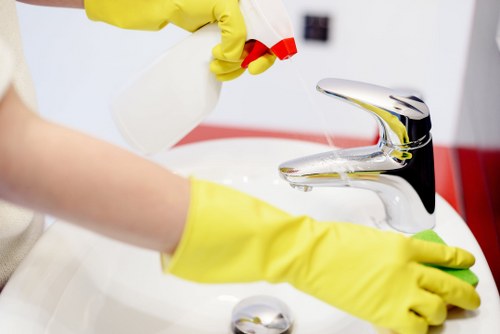
There are several ways to approach oven cleaning, and the best one depends on your preferences and the condition of the appliance. Some people prefer natural solutions, while others choose commercial degreasers or self-cleaning functions. Whatever method you use, safety should come first. Always make sure the oven is off, cool, and well-ventilated before starting.
A popular natural method for oven cleaning uses a paste made from baking soda and water. Applied to greasy surfaces, it can loosen residue over several hours or overnight. After the paste has had time to work, wipe it away with a damp cloth and repeat as needed. Vinegar is often used after baking soda because it helps break down remaining film and leaves surfaces looking fresher. This approach is gentle and suitable for regular oven cleaning, especially if you want to avoid strong chemicals.
For heavier build-up, a commercial oven cleaning product may be more effective. These products are designed to dissolve burnt-on grease and carbon deposits faster than mild solutions. However, they should be used carefully and according to the manufacturer’s instructions. Wear gloves, protect nearby surfaces, and avoid using harsh cleaners on painted, coated, or sensitive parts unless the product is specifically approved. Good oven cleaning is not about using the strongest chemical; it is about using the right one correctly.
Useful tools for oven cleaning
Having the right tools can make the process much easier. A smart oven cleaning kit may include:
- Microfibre cloths for wiping and polishing
- Non-scratch sponges for loosening residue
- Rubber gloves for hand protection
- A plastic or silicone scraper for baked-on spots
- A soft brush for corners and edges
- A spray bottle for diluted cleaning solutions
Using the correct tools helps protect surfaces while improving results. Abrasive pads or sharp metal blades can scratch the oven interior or glass, so it is better to be gentle and patient.
Step-by-step approach to oven cleaning at home
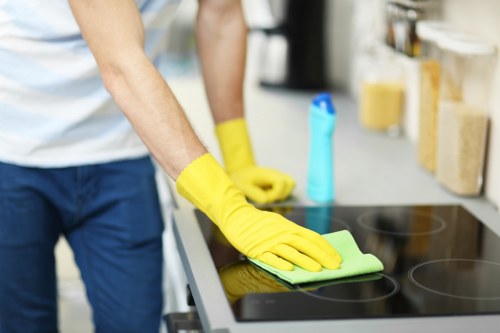
A structured approach makes oven cleaning feel less overwhelming. Start by removing racks, trays, and any loose debris from the oven cavity. If there are large crumbs or burnt bits, vacuuming or brushing them out first can prevent smearing during the wash. Once the loose dirt is gone, apply your chosen cleaner and allow it enough time to work. For many households, patience is the difference between difficult scrubbing and easier wiping.
Next, focus on the oven racks. These often need soaking because they collect heavy grease. A bathtub, large sink, or deep basin can work well if the racks fit. Warm water, dish soap, and a little baking soda can loosen residue before scrubbing. While the racks soak, move on to the inside walls and door glass. Clean from top to bottom so drips do not fall onto already cleaned areas.
When the cleaner has done its job, wipe each section with a clean damp cloth and inspect for remaining stains. Repeat treatment on stubborn spots instead of scrubbing aggressively. Finish by drying all surfaces thoroughly. Moisture left behind can create streaks or odours, especially if the oven is used soon after cleaning. If your appliance has a self-cleaning mode, be sure to follow the manufacturer’s instructions carefully rather than mixing it with manual cleaners.
Simple oven cleaning workflow
- Turn off and cool the oven completely
- Remove trays, racks, and loose crumbs
- Apply cleaner or paste to dirty areas
- Wait for the product to loosen grime
- Wipe, scrub gently, and rinse surfaces
- Dry everything before reassembling
Common oven cleaning mistakes to avoid
Even with the best intentions, people sometimes make mistakes that make oven cleaning harder or less effective. One common error is using abrasive materials that scratch the oven cavity or damage the glass door. Another is oversaturating electrical components or fan openings with liquid cleaner. Water and electronics do not mix well, so a careful, controlled application is always safer.
Another mistake is leaving harsh chemicals on surfaces for too long. Some cleaners are powerful enough to damage finishes if they are not removed promptly. Likewise, using too much product can leave a residue that smokes the next time the oven heats up. Proper oven cleaning should leave the appliance fresh, not coated in leftover cleaner. Always rinse well and ventilate the kitchen after using strong products.
It is also unwise to ignore the manufacturer’s instructions. Some ovens have special coatings, catalytic liners, or self-cleaning features that require specific care. If you are unsure, check the manual before starting. That small step can prevent damage and save you money in the long run. In many cases, successful oven cleaning is less about effort and more about using the correct method for your appliance.
More mistakes worth avoiding
- Cleaning a hot oven instead of letting it cool first
- Forgetting to remove loose debris before applying cleaner
- Scrubbing door seals too hard
- Using excessive water near vents or controls
- Skipping regular maintenance and waiting until grime becomes extreme
Eco-friendly oven cleaning ideas for a fresher kitchen
Many households prefer eco-friendly oven cleaning because it can be gentler on surfaces and reduce exposure to strong fumes. Natural ingredients such as baking soda, vinegar, lemon juice, and warm water are widely used for routine cleaning tasks. While they may not dissolve every type of heavy carbon build-up instantly, they are often sufficient for moderate residue and regular maintenance.
Lemon is especially popular because it leaves a fresh scent while helping cut through grease. A bowl of water with lemon slices can be heated in the oven for a short time to create steam that loosens dirt, making wiping easier afterward. This method can be a useful pre-clean step before more detailed oven cleaning. It is also a good choice for those who want to avoid chemical odours.
Eco-friendly oven cleaning is not just about natural ingredients. It also includes using reusable cloths, avoiding unnecessary waste, and cleaning spills quickly so fewer products are needed later. Small habits matter. By wiping after splashes, lining trays appropriately, and keeping oven racks clean, you reduce the need for intensive treatment. In the long term, this makes oven cleaning simpler and more sustainable.
Eco-conscious tips
- Choose reusable microfibre cloths over disposable wipes
- Use mild cleaning mixtures for routine maintenance
- Ventilate naturally by opening windows during cleaning
- Clean spills while they are still soft and manageable
- Use only the amount of product you truly need
Why professional oven cleaning is worth considering
Although many people can handle oven cleaning themselves, there are situations where professional support makes sense. If your oven is heavily soiled, has not been cleaned for a long time, or contains areas that are difficult to reach, a trained cleaner may be able to achieve better results more efficiently. Professional oven cleaning can also be useful for busy households that do not have time for a deep scrub.
Professionals typically bring specialized products, tools, and experience that allow them to tackle stubborn grease more effectively. They may dismantle removable parts, clean around difficult corners, and restore the oven in a way that is hard to match with household supplies alone. For people preparing a home for sale, moving into a new property, or recovering from a long period of neglect, professional oven cleaning can be a practical investment.
Of course, not every situation requires professional service. Many ovens can be maintained at home with regular attention. The key is knowing when the job is manageable and when it is becoming too time-consuming or technical. If your oven has safety concerns, unusual damage, or heavily baked residue that refuses to shift, professional oven cleaning may save effort and protect the appliance from accidental harm. Book your service now if you want to save time and restore your oven with minimal hassle.
Maintaining a clean oven for the long term
Long-term oven care depends on habits more than occasional deep scrubbing. The easiest way to stay ahead of buildup is to treat small spills immediately after the oven cools. A quick wipe can prevent grease from hardening into a difficult stain. Another useful habit is to use trays, baking mats, or covered cookware when preparing messy dishes. These simple measures reduce splatter and make oven cleaning far less demanding.
It also helps to inspect the oven regularly. Look at the glass door, corners, seals, and racks to catch early signs of grime. By spotting dirt before it spreads, you can spend less time scrubbing and more time cooking. When combined with monthly maintenance, these checks keep the appliance cleaner, safer, and more efficient. People who cook often tend to see the biggest benefits from consistent oven cleaning because residue builds up quickly with heavy use.
Another smart long-term habit is to make oven cleaning part of a broader kitchen routine. If you already clean countertops, sinks, and stovetops weekly, adding the oven to that cycle keeps everything manageable. You do not need to perform a deep clean every time. Even small efforts make a difference. Over the course of a year, routine oven cleaning can dramatically reduce the need for intensive restoration.
Signs your oven needs attention now
Sometimes the oven itself gives clear signals that cleaning cannot wait. If you notice smoke during preheating, lingering burnt smells, grease droplets on the door, or blackened patches inside the cavity, those are obvious signs. You may also spot food splatter that has turned hard and crusty, which usually means the residue has been exposed to heat too many times. At that stage, a quick wipe will not be enough.
Performance changes can also point to the need for oven cleaning. If dishes take longer to cook, browning is uneven, or the temperature seems inconsistent, grime may be interfering with airflow and heat reflection. This is especially relevant in ovens with fans or vents, where blockage can affect circulation. A clean oven tends to cook more predictably and support better results in baking and roasting.
If you have guests coming, if you are planning holiday cooking, or if you simply want the kitchen to feel fresher, now is a good time to act. Oven cleaning is one of the easiest ways to improve the overall feel of the home. A tidy oven can make the whole kitchen look more cared for, even if everything else is already in good shape.
Quick checklist before you start
- Make sure the appliance is switched off and cool
- Read the manual if you have a special oven type
- Gather gloves, cloths, and cleaning solution
- Open windows for ventilation
- Set aside enough time for soaking and drying
Final thoughts on keeping oven cleaning simple
Oven cleaning does not have to be a dreaded task. With the right routine, the process becomes easier, faster, and much less stressful. A clean oven works better, smells fresher, and supports safer cooking. Whether you choose natural methods, commercial products, or professional assistance, the important thing is consistency. The more often you handle small spills and routine dirt, the less likely you are to face a difficult deep clean later.
By making oven cleaning part of your normal home care habits, you protect your appliance and improve your cooking environment at the same time. A neat oven is not just visually pleasing; it contributes to better performance, better food, and a more comfortable kitchen overall. If your oven has been neglected for a while, start with one section at a time and build momentum from there. Small progress adds up quickly.
Contact us today to take the next step toward a cleaner, more efficient kitchen, or book your service now if you want help restoring your oven to its best condition. With regular oven cleaning, you can enjoy better results every time you cook.