Domestic Cleaning in Modern Homes: Practical Strategies for a Cleaner, Healthier Living Space
Domestic cleaning is more than a routine chore; it is a core part of keeping a home comfortable, hygienic, and welcoming. Whether you live in a compact apartment, a family house, or a busy shared property, effective domestic cleaning helps reduce dust, control allergens, improve indoor air quality, and create a space that feels organized and calm. In today’s fast-paced world, many households are looking for smarter ways to approach domestic cleaning without spending every free hour scrubbing, dusting, and sorting.
The best approach to domestic cleaning combines consistency, the right products, and a practical schedule that fits real life. Rather than waiting until everything feels overwhelming, breaking tasks into manageable steps can make a huge difference. From kitchens and bathrooms to living rooms and bedrooms, each part of the home benefits from a tailored cleaning routine. In this article, we’ll explore domestic cleaning in detail, highlighting useful methods, common challenges, and strategies that can help any household maintain a cleaner home with less stress.
Many people associate domestic cleaning with surface-level tidying, but it goes much deeper than that. Regular home cleaning supports healthier living conditions and can even extend the life of furniture, flooring, appliances, and fixtures. It also improves the overall atmosphere of the home, making it easier to relax, work, and spend time with family. If you are looking to improve your home care routine or simply want a better way to manage household cleaning, the ideas below will give you a clear starting point.
Understanding the Value of Domestic Cleaning
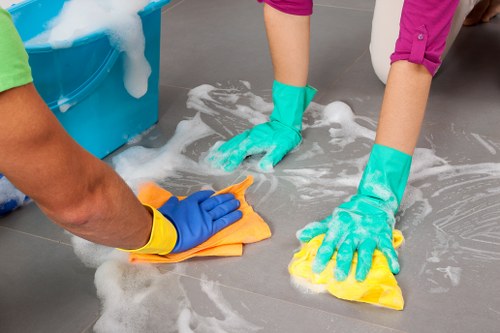
Domestic cleaning plays a major role in maintaining a safe and pleasant home environment. Dust, grease, bacteria, and clutter can quickly build up if cleaning is left too long, leading to unpleasant odors, stains, and a general sense of disorder. A thoughtful domestic cleaning routine reduces these issues before they become bigger problems. It also makes deep cleaning much easier because dirt and grime do not have time to settle heavily into surfaces.
One of the greatest benefits of domestic cleaning is hygiene. High-touch surfaces such as door handles, switches, counters, taps, and remote controls can collect germs throughout the day. Regular cleaning helps lower the spread of bacteria and viruses, especially in shared households or homes with children and pets. For many people, domestic cleaning is also linked to mental well-being, since a neat and orderly home can reduce stress and support a better mood.
Another important advantage is preservation. Floors, upholstery, appliances, and fittings last longer when they are cleaned properly and consistently. Dirt and grime can cause wear over time, while neglected spills can lead to stains or damage. By investing time in domestic cleaning, homeowners and tenants can protect the value and appearance of their living spaces.
Creating a Practical Domestic Cleaning Routine
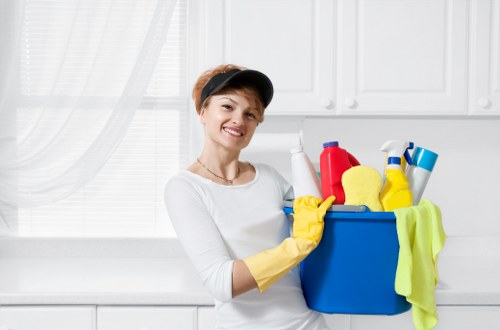
A successful domestic cleaning routine should be realistic and easy to maintain. The most effective schedules usually divide tasks into daily, weekly, and monthly categories. This helps ensure that no area is ignored while also preventing cleaning duties from becoming too heavy on any single day. A structured routine can be adapted for different household sizes, lifestyles, and priorities.
Daily tasks often include quick actions that keep the home under control. These may involve wiping kitchen counters, washing dishes, making beds, sweeping high-traffic areas, and clearing clutter from shared spaces. Small habits like these can prevent mess from building up and keep domestic cleaning manageable.
Weekly tasks usually cover more detailed work such as vacuuming, mopping, cleaning bathrooms, changing bedding, dusting surfaces, and emptying bins. These tasks may take a little longer, but they are essential for maintaining a hygienic and tidy home. A weekly schedule is often the backbone of domestic cleaning in busy households.
To make the process easier, many people use a cleaning checklist. This can be handwritten, digital, or printed and displayed in a utility area. Checklists help track progress and reduce the chance of forgetting important jobs. They also make domestic cleaning feel more organized and less mentally exhausting.
Room-by-Room Domestic Cleaning Priorities
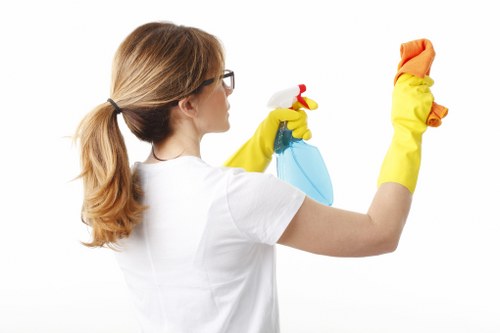
Different rooms require different cleaning methods because each space serves a distinct purpose. A kitchen, for example, needs special attention to food residue and grease, while a bedroom may need more focus on dust and fabrics. Understanding how domestic cleaning changes from room to room is key to achieving good results.
In the kitchen, the main priorities are hygiene and grease removal. Counters, sinks, splashbacks, hobs, ovens, and refrigerator handles should be cleaned regularly. Food storage areas should also be checked for expired items and spills. Kitchen domestic cleaning should always include sanitizing food-preparation surfaces, especially if raw ingredients are involved.
In the bathroom, moisture management is essential. Sinks, toilets, showers, baths, mirrors, and floors can all benefit from regular cleaning and disinfection. Because bathrooms are exposed to humidity, mold and soap scum may develop if the area is not maintained properly. Good ventilation is an important part of bathroom domestic cleaning because it helps reduce dampness and odor.
Living Areas and Bedrooms
Living rooms and bedrooms often collect dust on shelves, furniture, electronics, soft furnishings, and window ledges. Vacuuming carpets and upholstery regularly can help remove dirt, hair, and allergens. In bedrooms, bedding should be washed frequently, and under-bed spaces should not be neglected. In living areas, surfaces such as coffee tables, lamps, and shelves should be wiped to maintain a fresh appearance.
Essential Domestic Cleaning Supplies and Tools
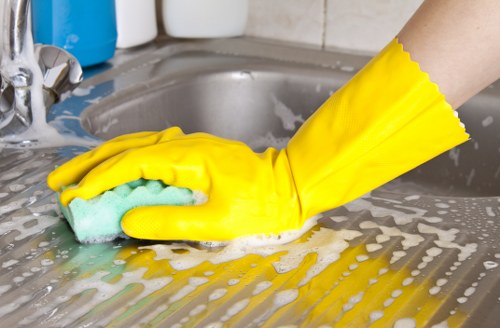
The right cleaning supplies can make domestic cleaning faster, safer, and more effective. While it is possible to keep a home clean with only a few basic products, using suitable tools for each task improves results. A well-stocked cleaning kit does not need to be expensive; it simply needs to be practical and reliable.
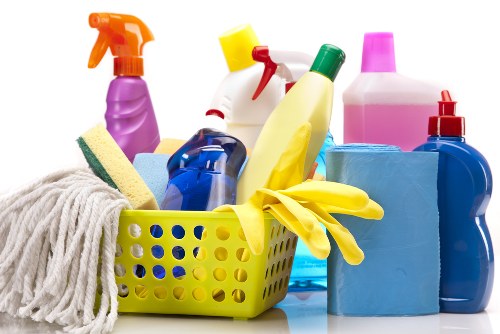
Common domestic cleaning essentials include microfiber cloths, a vacuum cleaner, a mop, a broom, sponges, scrubbing brushes, gloves, and bins or caddies for organization. These tools can handle most everyday cleaning jobs. Microfiber cloths are especially useful because they trap dust rather than spreading it around, and they can be washed and reused.
Cleaning liquids should be chosen with care. Multi-surface cleaners, bathroom sprays, glass cleaners, dish soap, and disinfectants all serve different purposes. It is important to read labels and use products correctly to avoid damage to surfaces or unsafe chemical mixing. For households that prefer greener options, vinegar, baking soda, and mild soap can be useful for some domestic cleaning tasks, although they may not be suitable for every surface.
Keeping Tools Organized
Storing supplies in one accessible place saves time and makes domestic cleaning less frustrating. A portable cleaning caddy, utility cupboard, or organized shelf can help keep everything together. When tools are easy to reach, it becomes much simpler to complete quick jobs before mess spreads.
Deep Cleaning vs Regular Domestic Cleaning
Regular domestic cleaning focuses on day-to-day upkeep, while deep cleaning goes further by targeting hidden dirt and neglected areas. Both are important, but they serve different purposes. Regular cleaning keeps the home presentable and hygienic, whereas deep cleaning restores freshness and tackles buildup that cannot be managed through routine tidying alone.
Deep cleaning tasks may include cleaning behind appliances, washing skirting boards, wiping inside cabinets, scrubbing tile grout, steam-cleaning carpets, cleaning light fixtures, and washing windows. These tasks are not necessary every day, but they should be done periodically to maintain a high standard of cleanliness. For many homes, seasonal deep cleaning is a practical approach.
Knowing when to deep clean depends on lifestyle and usage. Homes with children, pets, high foot traffic, or frequent cooking may need more intensive cleaning more often. Seasonal changes can also be a helpful reminder. For example, spring and autumn are popular times for deeper domestic cleaning because households often reset their spaces during these periods.
Time-Saving Domestic Cleaning Strategies
Many people want a cleaner home but struggle to find enough time. The good news is that domestic cleaning becomes easier when it is approached strategically. One effective method is to clean while doing other tasks. For example, wiping counters while waiting for water to boil or folding laundry while watching television can make use of small time gaps throughout the day.
Another smart approach is the top-to-bottom cleaning method. Start with higher surfaces like shelves and work your way down to floors. This prevents dust and debris from falling onto areas that have already been cleaned. It is a simple technique, but it can improve efficiency significantly.
Some households also benefit from assigning zones. Instead of trying to clean the entire home at once, divide it into sections and focus on one area at a time. This method is especially useful for larger properties or families with busy schedules. By rotating zones each day or week, domestic cleaning remains manageable and less overwhelming.
Batching similar tasks can also save time. For instance, dust all rooms before vacuuming, or clean all mirrors and glass surfaces together. Grouping tasks reduces wasted movement and helps create a smoother workflow. Small adjustments like these can turn domestic cleaning into a more efficient routine.
Simple Habits That Reduce Cleaning Time
- Put items back in place immediately after use.
- Wipe spills as soon as they happen.
- Run a quick evening reset before bed.
- Use doormats to reduce dirt entering the home.
- Declutter regularly to reduce surfaces that collect dust.
These habits may seem small, but over time they dramatically reduce the amount of work required for domestic cleaning. Prevention is often easier than correction, and that principle applies strongly to home care.
Domestic Cleaning for Homes with Children and Pets
Households with children and pets often face extra cleaning challenges. Toys, crumbs, spills, muddy footprints, pet hair, and fingerprints can appear very quickly. In these homes, domestic cleaning needs to be both flexible and consistent. The goal is not perfection, but a clean, safe, and comfortable environment that supports everyday life.
For families with children, safety matters as much as cleanliness. Cleaning products should be stored securely, and surfaces that come into regular contact with food, skin, or toys should be cleaned with suitable products. Toy storage systems and easy-to-wipe materials can also help simplify domestic cleaning in busy family settings.
Pet owners often need to focus on fur control, odor management, and floor hygiene. Vacuuming frequently, washing pet bedding, and cleaning feeding areas are all important. Lint rollers, pet-safe cleaners, and washable throws can help keep furniture and textiles in better condition. With the right routine, domestic cleaning can coexist comfortably with lively family life and beloved pets.
Managing Allergens and Odors
Dust, pet dander, and dampness can affect indoor air quality. Regular vacuuming, dusting, and airing out rooms can help reduce allergens. Opening windows when possible and using extractor fans in bathrooms and kitchens also supports a fresher home environment.
Eco-Friendly Domestic Cleaning Options
Eco-conscious cleaning has become increasingly popular, and for good reason. Many households want domestic cleaning methods that reduce harsh chemical exposure and lower environmental impact. Sustainable cleaning does not mean less effective cleaning; it simply means choosing products and habits with greater care.
Reusable cloths, refillable bottles, concentrated formulas, and biodegradable products can all support greener home care. Choosing quality tools that last longer also helps reduce waste. In addition, using the correct amount of product avoids unnecessary runoff and saves money.
Natural ingredients can be useful in some domestic cleaning routines. Baking soda works well for deodorizing and gentle scrubbing, while vinegar can be helpful for certain glass and surface jobs. However, it is important to remember that not every surface is suitable for natural cleaners. Always check compatibility before use, especially on stone, wood, or delicate finishes.
Eco-friendly domestic cleaning also includes energy and water awareness. Washing full laundry loads, using water efficiently, and avoiding excessive product use all contribute to more responsible home care. These habits support a cleaner home and a cleaner planet at the same time.
When to Consider Professional Domestic Cleaning
Sometimes a home needs more than routine upkeep. Busy schedules, large properties, post-renovation mess, moving homes, or health-related needs can make professional domestic cleaning a practical choice. Bringing in expert help can save time and provide a more intensive level of care than many households can manage alone.
Professional domestic cleaning may be especially helpful when deep cleaning feels too time-consuming or physically demanding. It can also be useful before special events, after guests have stayed, or during seasonal resets. Many people choose professional support to maintain a high standard of cleanliness while focusing on work, family, and other responsibilities.
If you decide to hire outside help, look for clear communication about the tasks required, the cleaning products used, and the expected level of service. Whether you need occasional support or regular visits, professional domestic cleaning can be a valuable addition to a household routine. Book your service now if you want to save time and enjoy a fresher home with less effort.
Signs Your Home Needs Extra Attention
- Persistent odors despite regular tidying.
- Visible dust buildup on surfaces and vents.
- Stains on carpets, upholstery, or tiles.
- Clutter that keeps returning after cleaning.
- Little time available for thorough upkeep.
These signs do not mean a home is failing; they simply show that additional support or a more structured domestic cleaning routine may be needed.
How Domestic Cleaning Supports a Better Lifestyle
Beyond appearances, domestic cleaning contributes to a smoother, more enjoyable lifestyle. A cleaner home can make mornings less chaotic, evenings more relaxing, and weekends more productive. When clutter and dirt are under control, everyday tasks become easier and the home feels more welcoming to everyone who lives there.
Productivity often improves in tidy spaces because it is easier to focus when surroundings are organized. This is particularly relevant for people who work from home or study at home. A clean desk, clear kitchen, and orderly living space can reduce distractions and support a better mindset.
Domestic cleaning also supports hospitality. Guests are more likely to feel comfortable in a home that looks and smells fresh. Even simple actions like vacuuming before visitors arrive or wiping down bathroom surfaces can make a strong positive impression. Cleanliness communicates care, attention, and respect for the space and the people in it.
Most importantly, domestic cleaning helps create a sense of control. Life can feel busy and unpredictable, but maintaining the home offers a practical way to bring order into daily routines. That sense of stability can be valuable for individuals, couples, and families alike.
Best Practices for Long-Term Domestic Cleaning Success
Long-term success in domestic cleaning comes from consistency rather than intensity. A little effort each day often works better than occasional marathon cleaning sessions. When routine habits become second nature, the home stays in better condition and cleaning feels less burdensome overall.
It helps to set realistic expectations. No home is perfectly clean all the time, and that is completely normal. The goal is to maintain a level of cleanliness that supports health, comfort, and daily function. Accepting this can reduce frustration and make domestic cleaning more sustainable.
Another useful practice is to review and adjust the routine periodically. Changing seasons, new household members, work schedules, and lifestyle shifts can all affect cleaning needs. By updating your approach when necessary, domestic cleaning remains relevant and effective. Contact us today if you want a professional solution that fits your household needs and lifestyle.
Final Thoughts
Domestic cleaning is an essential part of maintaining a home that looks good, feels comfortable, and supports healthy living. Whether you handle cleaning yourself or bring in professional support, the key is consistency, smart planning, and a focus on the rooms and tasks that matter most. With the right habits, domestic cleaning becomes less of a burden and more of a simple system that keeps your home running smoothly.
From daily upkeep and room-specific cleaning to deep cleaning and eco-friendly choices, every part of the process contributes to a better living space. If your current routine feels rushed or ineffective, now is the perfect time to make a change. Start small, stay consistent, and choose methods that work for your home. With a thoughtful approach to domestic cleaning, you can enjoy a fresher, healthier, and more organized space every day.