Mastering Remote Work Productivity: Strategies for Focus, Balance, and Long-Term Success
Remote work productivity has become one of the most discussed topics in modern business, and for good reason. As more people work from home, hybrid setups, coworking spaces, or flexible schedules, the challenge is no longer simply working remotely—it is learning how to stay effective, motivated, and balanced over time. A productive remote work routine is not about being available every second of the day. Instead, it is about creating structure, protecting attention, and building habits that support high-quality output without burnout.
Many professionals initially assume that remote work means more freedom and fewer distractions, but the reality is more nuanced. While the commute disappears, new obstacles appear: household interruptions, blurred boundaries, digital overload, and the temptation to multitask endlessly. For that reason, improving work-from-home productivity requires a thoughtful approach. It involves managing energy, optimizing your environment, and using practical techniques that help you do your best work consistently.
In this article, we will explore the most effective ways to improve remote productivity, from workspace design and communication to time management, well-being, and long-term performance. The goal is to offer a well-rounded look at how individuals and teams can thrive in a flexible work environment. Whether you are a freelancer, a manager, or part of a distributed organization, understanding the habits behind successful remote work can make a major difference in results.
Why Remote Work Productivity Matters More Than Ever
Productivity in a remote setting affects far more than daily task completion. It influences job satisfaction, career growth, team trust, and business outcomes. When people are able to focus and deliver meaningful work efficiently, they often feel more confident and less stressed. On the other hand, when remote work becomes chaotic, the result can be frustration, overwork, and missed deadlines.
One reason this topic has become so important is that remote and hybrid work arrangements are now a permanent part of many industries. Companies want employees to stay productive without relying on constant supervision, and workers want systems that support independence without sacrificing quality. This balance is at the heart of remote work efficiency. It is not about surveillance or rigid control. It is about building the right conditions for people to perform at their best.
Another important factor is that productivity looks different for every role. Some people spend their day writing, analyzing data, or developing software. Others spend it managing clients, collaborating across time zones, or solving operational issues. Even so, the same core principles apply: clarity, focus, consistency, and energy management. A strong remote productivity approach adapts to the demands of the role while preserving a healthy rhythm of work.
Creating a Workspace That Supports Focus
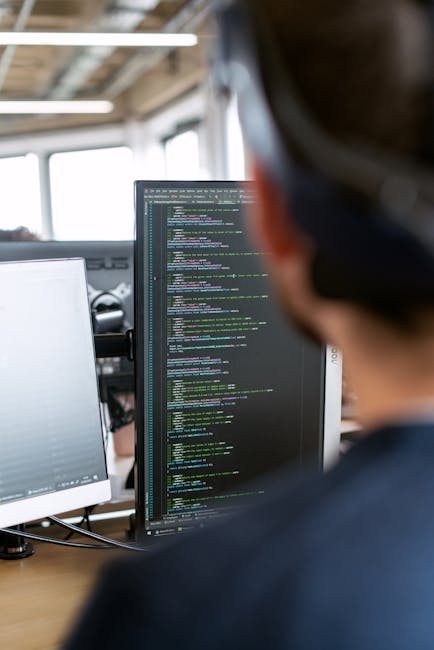
One of the foundations of effective remote work is the physical environment. A dedicated workspace, even a small one, can significantly improve concentration. When your brain associates a specific place with focused effort, it becomes easier to enter a productive state. This does not require a fancy home office. A simple desk, a comfortable chair, good lighting, and minimal clutter can already make a strong difference.
Many remote workers underestimate the impact of surroundings on attention. If you work from the couch, bed, or a noisy shared room, your mind may remain in a more relaxed mode. Over time, this can reduce mental sharpness and make it harder to separate work from rest. Designing a workspace that is both comfortable and intentional helps signal when it is time to focus. This is one of the most practical ways to support home office productivity.
In addition to physical setup, digital organization matters as well. Keep your most-used tools accessible, reduce desktop clutter, and organize files in a way that makes sense. A clean environment lowers friction and saves time. Small choices, such as using noise-canceling headphones or placing your phone out of reach, can also strengthen concentration. The goal is to create an atmosphere that makes deep work easier and distractions less appealing.
Building a Daily Routine That Actually Works
A successful remote work day usually starts before the first task is completed. A consistent routine creates momentum and helps avoid the sluggish feeling that often comes from unstructured mornings. While every person has different preferences, some version of a start-up ritual can improve mental readiness. This might include making coffee, reviewing priorities, stretching, or checking the calendar before opening emails.
The most effective routines are realistic rather than idealized. A routine that is too strict often collapses under real-world conditions, while one that is too loose can lead to drifting and procrastination. The key is to establish anchors: a predictable wake-up time, a clear beginning to the workday, and a closing sequence that helps you disconnect. These anchors make remote productivity easier because they reduce decision fatigue and bring order to the day.
It is also useful to separate high-energy tasks from low-energy tasks. Many people are most mentally alert in the morning, making that time ideal for complex work such as strategic planning, writing, or problem solving. Simpler tasks, such as admin work or inbox management, can often fit into lower-focus periods. When your routine respects your natural energy patterns, productivity tends to rise without requiring extra effort.
Managing Time Without Losing Flexibility
Time management is one of the biggest challenges in remote work because the boundaries that exist in an office environment often disappear at home. Without a commute or fixed desk schedule, it becomes easy to overwork, underwork, or simply lose track of time. Effective time management helps bring control back into the day while still preserving the flexibility that makes remote work appealing.
One useful strategy is time blocking. Instead of treating the day as a long, open-ended period, divide it into focused segments with defined purposes. For example, you might reserve a morning block for deep work, a midday block for meetings, and an afternoon block for follow-up tasks. This method gives structure to the day while still allowing adjustments when necessary. It also reduces the mental burden of deciding what to do next.
Another important concept is prioritization. Not all tasks contribute equally to results, so it is essential to identify the most important work early. A productive remote professional does not just stay busy; they work on the tasks that matter most. Using a simple priority system can help distinguish urgent tasks from important ones. This kind of clarity is a major part of remote work success, because it keeps attention aligned with outcomes rather than activity alone.
The Role of Communication in Remote Productivity
Effective communication is essential in any workplace, but it becomes even more important when teams are distributed. In a remote setting, people cannot rely on quick hallway conversations or visual cues to stay informed. Instead, communication must be intentional, clear, and respectful of everyone’s time. When communication is weak, productivity suffers because people spend more time clarifying, waiting, and correcting mistakes.
Strong remote communication begins with expectations. Teams should know when to use email, chat, video calls, and project management tools. They should also understand response-time norms and meeting etiquette. Clear communication protocols can reduce confusion and protect focus. For individuals, this means being concise, proactive, and transparent about progress and obstacles. The more clearly you communicate, the less energy you spend on unnecessary back-and-forth.
It is equally important to avoid the trap of constant communication. Being reachable all the time can break concentration and create stress. A healthy remote culture values responsiveness without demanding instant replies to every message. By setting boundaries around communication windows, workers can protect deep work while still remaining collaborative. This balance is a crucial part of working remotely effectively.
Avoiding Distraction and Digital Overload
Distraction is one of the greatest threats to remote productivity. Social media, news alerts, personal notifications, and even excessive multitasking can drain attention throughout the day. Because remote workers often rely heavily on digital tools, it is easy for useful technology to become a source of fragmentation. Learning how to control digital interruptions is therefore a vital skill.
One of the simplest steps is notification management. Turn off nonessential alerts, group app checks into specific times, and use focus modes when necessary. Every interruption has a hidden cost because it forces the brain to switch contexts. Over time, these switches can significantly reduce output. A more deliberate approach to technology helps preserve mental energy and supports better remote work performance.
It also helps to identify personal distraction patterns. Some people lose focus when tasks feel unclear, while others struggle when they are tired, hungry, or stressed. By noticing what triggers distraction, you can respond with better habits. For instance, short breaks, hydration, and realistic task planning can all reduce the urge to escape into unproductive activity. The aim is not perfection; it is creating an environment where focus becomes the easier choice.
Using Breaks to Improve Performance
Many people assume that productivity means working continuously, but in reality, well-timed breaks are essential for sustained performance. The brain is not designed for nonstop concentration. Without recovery, attention fades, creativity drops, and mistakes become more likely. Strategic breaks help reset focus and maintain energy throughout the day.
Short breaks can be especially powerful when they are intentional. Stepping away from the screen, moving your body, or simply resting your eyes for a few minutes can help restore mental clarity. Even a brief pause between tasks can prevent the feeling of being overwhelmed. This is why remote productivity tips often emphasize rhythm rather than constant effort. Work is more effective when it includes moments of recovery.
Longer breaks matter too, especially around meals or after intense work sessions. Eating away from the desk, taking a walk, or spending time outdoors can improve mood and concentration. These pauses should not be viewed as lost time. Instead, they are part of the productivity system. When used well, breaks help remote workers stay engaged, creative, and resilient across the full workday.
Maintaining Motivation Over the Long Term
Remote work motivation often fluctuates because the usual social energy of an office may be absent. Without regular in-person interaction, some people feel isolated or uninspired after the novelty of working from home wears off. Long-term productivity depends on more than discipline alone; it requires purpose, structure, and emotional sustainability.
One way to stay motivated is to connect daily work with larger goals. When tasks feel meaningful, it is easier to remain committed even during routine days. A clear sense of purpose helps transform work from a sequence of obligations into a path toward growth. This is especially important in remote roles, where external motivation may be less visible. Personal meaning becomes a stabilizing force.
It can also help to track progress in visible ways. A completed task list, a weekly review, or milestone tracking can make achievements more concrete. Many remote workers benefit from seeing evidence of their effort. Progress is motivating because it reinforces competence and direction. When you can observe results, even small ones, it becomes easier to stay engaged and maintain momentum.
Supporting Well-Being and Preventing Burnout
Productivity and well-being are deeply connected. A person who is exhausted, anxious, or mentally overloaded cannot sustain high performance for long. Remote work can sometimes make burnout easier to miss because the signs are less visible than in an office. Someone may appear active online while quietly working beyond healthy limits.
Protecting well-being requires boundaries. Set clear start and stop times, take real lunch breaks, and avoid letting work consume evenings and weekends. Remote workers often feel pressure to prove they are still working, especially in environments where visibility is limited. However, overcompensating usually leads to lower quality work over time. Sustainable performance comes from balance, not constant availability.
Sleep, movement, nutrition, and social connection also play a major role in productivity in remote work. These basic habits affect memory, mood, and concentration far more than many people realize. A remote work strategy that ignores health will eventually weaken. In contrast, one that supports physical and emotional well-being creates the conditions for stronger results, better judgment, and greater consistency.
Making Collaboration Work in a Flexible Environment
Remote collaboration can be highly effective when it is structured well. The biggest mistake many teams make is assuming that collaboration will happen naturally just because tools are available. In reality, remote teamwork requires deliberate planning. Meetings should have clear purposes, documents should be easy to access, and responsibilities should be visible to everyone involved.
One sign of good collaboration is that people can work independently without losing alignment. This requires shared expectations, transparent progress tracking, and trust. When teammates know what is expected and how to communicate updates, they spend less time coordinating and more time producing meaningful work. That, in turn, improves overall remote workplace productivity.
Collaboration also benefits from respecting different working styles. Some people prefer written communication and asynchronous work, while others think best through live discussion. A flexible team recognizes these differences and uses them wisely. Rather than forcing everyone into one style, successful remote collaboration blends methods in a way that supports clarity, efficiency, and inclusion.
The Future of Remote Work Productivity
As technology continues to evolve, remote work productivity will likely become even more sophisticated. Artificial intelligence, automation, better project tools, and improved communication systems will continue to shape how people work. However, the human side of productivity will remain central. Tools can help, but they cannot replace focus, judgment, and healthy habits.
Organizations that invest in thoughtful remote work practices are more likely to see strong performance over time. This means training managers to lead distributed teams well, creating realistic expectations, and supporting employees with the right resources. Individuals, meanwhile, must continue refining their habits and learning what allows them to do their best work. The most successful remote professionals are not simply busy; they are adaptable, intentional, and self-aware.
Ultimately, the future of remote working productivity depends on balance. People need flexibility, but they also need structure. They need autonomy, but also communication. They need efficiency, but also well-being. When these elements come together, remote work becomes more than a temporary arrangement—it becomes a highly effective and sustainable way to build meaningful careers and strong organizations.
Conclusion: Building a Smarter Remote Work Routine
Remote work productivity is not the result of one perfect tool or one secret habit. It is the product of many small decisions made consistently over time. A focused workspace, a practical routine, smart time management, clear communication, and healthy boundaries all contribute to stronger performance. Together, these habits create a system that supports both excellence and sustainability.
It is also worth remembering that productivity is personal. What works for one remote worker may not work for another. The best approach is to experiment, observe results, and adjust as needed. Some people thrive with strict scheduling, while others prefer broader time blocks. Some need quiet and isolation, while others benefit from collaborative energy. The key is finding a rhythm that supports meaningful work without unnecessary strain.
As remote work continues to shape the future of employment, those who learn to manage focus, energy, and communication will have a clear advantage. Productive remote work is not about doing more for the sake of doing more. It is about doing the right work in a way that is effective, healthy, and sustainable. With the right habits, any professional can build a remote work life that feels both productive and rewarding.
Strong remote work productivity comes from intention, consistency, and a willingness to improve over time. By refining your environment, protecting your attention, and respecting your limits, you can create a workflow that supports both high performance and personal well-being. The result is not just better output, but a better way to work.