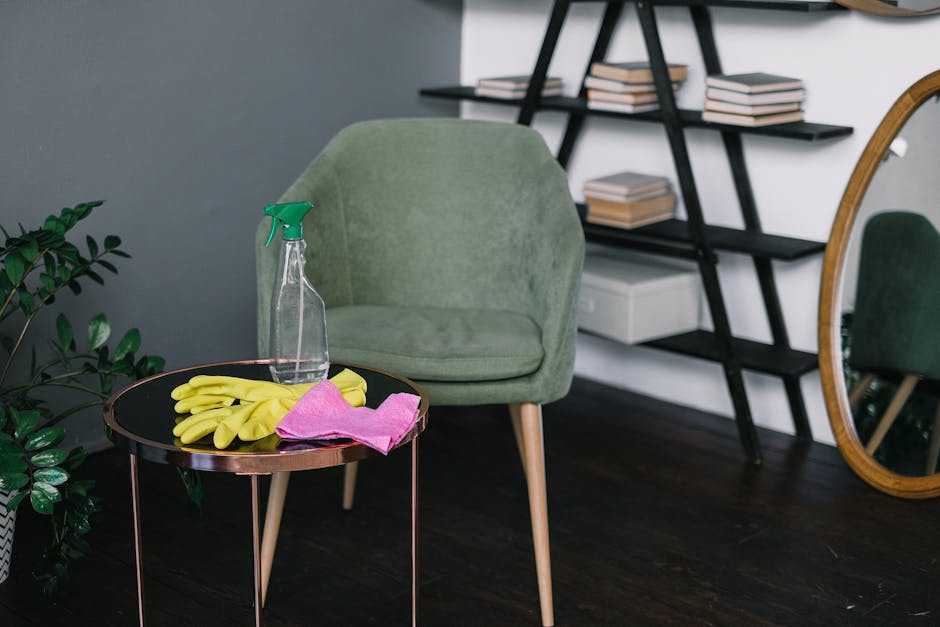
Willesden Green end of tenancy cleaning guide NW2 Brent
If you are moving out of a flat in Willesden Green, you already know how quickly the last few days can get messy. Boxes everywhere, a fridge full of odds and ends, dust in places you forgot existed. This Willesden Green end of tenancy cleaning guide NW2 Brent is here to make the whole process clearer, calmer, and a lot more manageable. Whether you are handing back a studio near the station, a family flat off the High Road, or a shared house tucked away on a side street, the aim is the same: leave the property in strong condition and reduce the risk of disputes when the inventory check comes around.
End of tenancy cleaning is not just a quick tidy-up. It is a full reset of the property, usually to a higher standard than weekly domestic cleaning. Done properly, it helps tenants, landlords, and letting agents move through the checkout process with fewer surprises. And to be fair, that is what most people want at the end of a tenancy: a clean handover, no drama, and your deposit back without a headache.
This guide walks through what it involves, what areas matter most, how to prepare, where people usually go wrong, and when a professional service is worth considering. If you want to compare related services as you plan your move, you may also find move out cleaning and deep cleaning useful for context.
Expert summary: A proper end of tenancy clean is about consistency, detail, and evidence. The more you match the property's condition against the inventory, the smoother the handover tends to be. That is the real trick.
Table of Contents
- Why Willesden Green end of tenancy cleaning guide NW2 Brent Matters
- How Willesden Green end of tenancy cleaning guide NW2 Brent Works
- Key Benefits and Practical Advantages
- Who This Is For and When It Makes Sense
- Step-by-Step Guidance
- Expert Tips for Better Results
- Common Mistakes to Avoid
- Tools, Resources and Recommendations
- Law, Compliance, Standards, or Best Practice
- Options, Methods, or Comparison Table
- Case Study or Real-World Example
- Practical Checklist
- Conclusion
- Frequently Asked Questions
Why Willesden Green end of tenancy cleaning guide NW2 Brent Matters
End of tenancy cleaning matters because move-out standards are rarely judged by how tired you feel on moving day. They are usually judged by what the property looks like when the keys are returned. In Willesden Green, that may mean a checkout inventory, a landlord inspection, or a letting agent walk-through, sometimes all three. If the property is not cleaned well enough, small issues can become deposit deductions. It is annoying, but it happens.
There is also a practical local angle. Many homes in NW2 are lived in hard. Shared kitchens, compact bathrooms, older fittings, and lots of foot traffic can all leave a property looking dull even after a normal clean. Grease builds up in ovens. Limescale creeps around taps. Window tracks gather dust and grit. A decent end of tenancy clean is designed to tackle exactly those hidden problem spots.
It also helps set a fair baseline. If the checkout report says the oven was spotless and the extractor was clear, there is less room for argument later. If the home is handed back in a state that matches the tenancy agreement and inventory expectations, the process is usually smoother for everyone.
There is one more thing that people forget: move-out cleaning is emotionally useful too. Once the property is properly cleaned, the move feels finished. It gives you a mental handover. Strange how that works, but it does.
How Willesden Green end of tenancy cleaning guide NW2 Brent Works
The job usually starts with a full-property plan rather than cleaning room by room in a random order. That is because end of tenancy cleaning is really about coverage. You want every room, fixture, fitting, and touchpoint handled consistently.
A typical process often looks like this:
- Initial inspection: identify the dirtiest areas, any damage, and anything excluded from cleaning, such as marks that are actually repairs rather than dirt.
- Decluttering and clearing surfaces: remove personal items, leftover food, and packaging so the cleaner can reach all surfaces.
- Top-to-bottom cleaning: dust high points first, then work down through walls, shelves, skirting boards, counters, and floors.
- Kitchen focus: degrease appliances, clean inside and outside of cupboards, scrub sinks, and tackle the oven properly.
- Bathroom sanitation: remove soap scum, limescale, grime, and residue from tiles, taps, baths, showers, toilets, and sealant lines.
- Bedrooms and living spaces: clean doors, switches, sockets, window frames, wardrobes, carpets, and furniture surfaces where applicable.
- Final detailing: check fingerprints, streaks, lint, corners, and missed spots in natural daylight if possible.
In many cases, the best results come from treating the work like a one-off reset, not a regular tidy. If the property has extra wear, a broader one-off cleaning approach can be a sensible supplement. And if the place includes carpets, sofas, or mattresses that need attention too, the specialist services at carpet cleaning, sofa cleaning, and mattress cleaning can help round things out.
Not every tenancy needs the same level of work. A polished new-build studio is different from a well-used house with years of cooking and family life behind it. The right plan reflects the actual condition of the home, not some one-size-fits-all checklist someone pulled out of thin air.
Key Benefits and Practical Advantages
The biggest benefit is simple: a better chance of passing the checkout clean. But there are several other practical advantages too.
- Less deposit friction: a properly cleaned property is easier to inspect and easier to sign off.
- Stronger first impression: even if the tenancy is ending, the final impression still matters.
- Better visibility for repairs: once the property is clean, genuine damage becomes easier to spot and separate from dirt.
- Faster handover: landlords and agents can complete final checks more confidently when the place is ready.
- Reduced stress: there is a huge difference between a rushed clean and a structured one. Huge.
There is also a quality-of-life benefit. When you are packing, sorting forwarding addresses, and figuring out where the kettle went, cleaning can feel like one task too many. Hiring help or using a structured plan takes pressure off the final day. If you want to see how professional services are positioned, the company's end of tenancy cleaning page and pricing and quotes information are useful starting points.
For landlords, another upside is consistency across multiple properties. If a property is cleaned to a high standard between tenancies, the next marketing photos look better, viewings feel easier, and the home is ready sooner. That can matter more than people think.
Who This Is For and When It Makes Sense
This guide is for tenants, landlords, letting agents, and even family members who always end up helping with the final push. That person is usually you, by the way.
It makes sense in the following situations:
- You are moving out of a rented flat or house in Willesden Green or NW2.
- Your tenancy agreement says the property must be returned clean, often to a professional standard.
- The home has kitchen grease, bathroom limescale, or carpet marks that normal cleaning will not fully solve.
- You want to save time during a stressful move.
- You are a landlord preparing for new tenants and want the property ready for viewings or occupation.
It may also make sense if you are in a shared property and each room has been used differently. In those homes, cleaning is rarely even. One bedroom may be fine, while the kitchen extractor has seen better days and the bathroom needs proper attention. That is normal.
If you are moving into a new place rather than out of one, the same logic applies in reverse. A move in cleaning service can help make the property feel properly ready before the boxes come off the van.
Step-by-Step Guidance
Here is a straightforward way to tackle the job without losing your mind halfway through.
1. Read the tenancy agreement and inventory
Start by checking what was promised when you moved in. The inventory is the most useful document here. It tells you what condition the property was in at the beginning, which is the standard most checkout checks will use for comparison. If something was already marked or worn, you should not waste time trying to make it look brand new unless the agreement specifically requires it.
2. Remove all personal items first
Cleaning around belongings is a false economy. Empty cupboards, clear the fridge, take bedding off, and remove anything sitting on floors or shelves. It is much easier to wipe surfaces properly when they are actually visible.
3. Tackle the kitchen in sections
The kitchen is usually the most demanding room. Work through the oven, hob, extractor, splashback, sink, taps, worktops, cupboards, fridge, freezer, and floors. If the oven is heavily used, a specialist oven cleaning service can be worth considering, because burnt-on residue can take far longer than expected to remove by hand.
4. Clean the bathroom with limescale in mind
Bathrooms need more than a quick wipe. Pay attention to the shower screen, grout, sealant, toilet base, behind taps, and around plugs and overflows. A lot of checkout problems come from small details here. A clean mirror is nice; a fully clean bathroom is what gets noticed.
5. Move through bedrooms and living areas carefully
Dust skirting boards, light switches, door handles, wardrobes, shelves, window sills, and any built-in storage. Vacuum carpets thoroughly and check corners and edges. If upholstery or rugs are part of the property, they may need separate attention depending on the condition and what the inventory says.
6. Finish with floors, glass, and final checks
Once the bigger jobs are done, go back for details. Clean internal windows, remove smears from glass, and inspect areas in natural light. Morning light often exposes streaks that evening light hides. Annoying, but useful.
A final pass is where quality shows. You will often catch things like dusty door tops, grime on handles, or bits of fluff behind radiators. Those little fixes matter more than people realise.
Expert Tips for Better Results
There are a few small habits that make a big difference.
- Work top to bottom: dust falls. If you clean the floor first, you may just do it twice.
- Use dwell time on stubborn grease: give products a moment to work before wiping.
- Use microfibre cloths where possible: they pick up dust and residue more effectively than old rags.
- Open windows while cleaning: it helps with ventilation and also reduces that heavy chemical smell in closed rooms.
- Photograph the finished property: if there is any later question, your own photos can help show the condition at handover.
Another useful tip: do not leave the hardest task until the very end. People often save the oven for last, then discover it is a three-hour project at 8 p.m. Not ideal. If the kitchen is the main problem area, deal with it early while your energy is still decent.
If you are preparing a broader property refresh, services like house cleaning and domestic cleaning can be good references for maintaining standards between deeper cleans.
Common Mistakes to Avoid
Most end of tenancy issues are not dramatic. They are usually small oversights that pile up.
- Assuming a tidy home is a clean home: visible order is not the same as a proper deep clean.
- Forgetting hidden spots: behind appliances, on top of cupboards, inside bins, along skirting boards, and under furniture.
- Ignoring extractor fans and vents: these collect more grime than people expect.
- Using too much product: residue can leave surfaces sticky or cloudy.
- Leaving limescale or grease untreated: these are the usual culprits in checkouts.
- Cleaning carpets lightly only: surface vacuuming may not be enough if there are stains or heavy wear.
One common mistake is trying to clean everything after the van arrives. That tends to create panic, crumbs, and odd little bottlenecks where everyone is in everyone else's way. Best to clean before the final packing rush if you can.
Another one: not checking whether communal areas need attention too. In some buildings, shared hallways, stairwells, and entry areas matter for the overall impression. If that is relevant, communal area cleaning can be useful in the right setting.
Tools, Resources and Recommendations
You do not need a van full of specialist equipment, but a sensible kit makes life much easier.
- Microfibre cloths
- Non-abrasive sponges
- Bucket and mop
- Vacuum cleaner with attachments
- Degreasing cleaner
- Bathroom descaler
- Glass cleaner
- Rubber gloves
- Scraper or blade designed for safe surface use, where appropriate
- Small brush for corners, seals, and tracks
For upholstered items, rugs, or mattresses, specialist treatment is often better than general cleaning gear. The company also offers upholstery cleaning, rug cleaning, and window cleaning, which can be useful when a tenancy includes more than just the basics.
If you are comparing service levels, it may help to think in terms of scope. A routine tidy, a deeper reset, and a full end of tenancy clean are three different jobs. Mixing them up is a fast route to disappointment. A proper quote should reflect the actual condition of the property, not a guess.
Law, Compliance, Standards, or Best Practice
In the UK, end of tenancy cleaning is usually driven by the tenancy agreement, the property inventory, and general expectations of returning the home in a clean condition. That means the practical standard is often contractual and evidential rather than based on a single universal legal rule.
For tenants, the key is to understand what was agreed when the tenancy began. If the agreement says the property must be cleaned to a professional standard, the checkout will likely be judged against that wording and the condition recorded at move-in. If something was already worn or damaged, that should normally be documented in the inventory, because cleaning cannot fix wear and tear.
For landlords and agents, best practice is to keep expectations clear and consistent. A checklist, a clean inventory, and clear photographs reduce disagreement. It sounds simple because, well, it is simple in theory. In practice, people sometimes skip it and then everyone spends an evening arguing over a cooker hood.
From a safety and service quality perspective, it is sensible to check that any cleaning provider has appropriate procedures, insurance, and clear terms. You can review the company's insurance and safety information, along with its health and safety policy and terms and conditions, before booking. That is plain common sense, really.
If sustainability matters to you, it may also be worth looking at their approach to waste reduction and materials through recycling and sustainability. That does not change the cleaning result on its own, but it does signal a more considered way of working.
Options, Methods, or Comparison Table
Choosing the right approach usually comes down to time, condition, and tolerance for hassle. Here is a simple comparison that may help.
| Approach | Best for | Strengths | Limitations |
|---|---|---|---|
| DIY end of tenancy clean | Lightly used homes with manageable dirt | Lower cash outlay, flexible timing, full control | Time-consuming, easy to miss details, physically tiring |
| Partial professional support | Homes needing help in one or two problem areas | Targets the hardest jobs, more budget-friendly than a full service | Still requires your own effort and coordination |
| Full professional end of tenancy clean | Busy moves, larger homes, heavy use, or strict checkout standards | More thorough, less stress, better for complex properties | Costs more than DIY |
There is no single right answer. A small flat with good upkeep may only need a careful DIY clean and a final inspection. A busy family house, especially one with carpets and layered use, may be better handled by a professional team. If you want to compare options, regular cleaning is also worth viewing as a contrast, because it shows the difference between maintenance cleaning and a true end of tenancy reset.
Case Study or Real-World Example
Imagine a two-bedroom flat in Willesden Green with a compact kitchen, one bathroom, and a lounge that has been used daily for three years. The tenants have packed most things already, but the oven has baked-on residue, the bathroom has limescale around the taps, and the living room carpet has a couple of dark marks near the sofa.
If they tried to do everything in a few rushed hours on moving day, they would probably get the visible areas done and miss the awkward parts. The kitchen would look okay at first glance, but the oven, extractor, and cupboard tops would still need attention. The bathroom mirror might shine, while the sealant and shower screen still look tired. Easy to miss, honestly.
In a more organised approach, they would clean the kitchen first, deal with the oven properly, descale the bathroom, vacuum and treat the carpet, then finish with a final top-to-bottom pass. If the carpet marks were stubborn, they might decide that specialist carpet treatment is the sensible move rather than scrubbing forever and making the fibres look worse. That is the kind of judgement call that saves stress.
By the time the checkout comes around, the property would present as cared for rather than rushed. Not perfect, maybe, but clean enough to avoid obvious objections. That is often the real goal.
Practical Checklist
Use this as a final run-through before handover.
- All personal belongings removed
- Fridge, freezer, and cupboards emptied
- Oven, hob, and extractor cleaned
- Sinks, taps, and drains wiped down
- Bathroom limescale removed where possible
- Toilet, bath, shower, and screen cleaned
- Dust removed from skirting boards, shelves, and corners
- Light switches, handles, and doors wiped
- Windows and internal glass cleaned
- Carpets vacuumed and stains treated where appropriate
- Mattress, sofa, or rugs addressed if part of the tenancy
- Floors mopped or vacuumed thoroughly
- Bins emptied and cleaned
- Final walk-through completed in good light
- Photos taken after cleaning is finished
If you are short on time, prioritise kitchen, bathroom, and floors. Those are the rooms most likely to influence first impressions. Everything else matters too, of course, but those areas tend to carry the most weight.
Conclusion
A well-planned end of tenancy clean in Willesden Green is less about perfection and more about control. You want to know what has been done, what still needs attention, and how the property will look when someone else opens the door for the final inspection. If you follow the steps in this guide, you will be in a much stronger position, whether you are cleaning yourself or bringing in help.
The key is not to leave things vague. Match the inventory, focus on the high-impact areas, and use a proper checklist rather than hoping the place somehow looks "clean enough." That is usually where trouble starts. With the right approach, you can leave the property with confidence and move on to the next place without carrying the old one with you mentally.
Get a free quote today and see how much you can save.
And once the keys are handed over, take a breath. The hard part is done.
Frequently Asked Questions
What is included in an end of tenancy clean in Willesden Green?
It usually includes deep cleaning of kitchens and bathrooms, dusting and wiping all reachable surfaces, cleaning appliances, vacuuming or mopping floors, and removing built-up grime from high-touch areas. The exact scope depends on the property and the service booked.
How is end of tenancy cleaning different from regular cleaning?
Regular cleaning maintains a home. End of tenancy cleaning is more detailed and aims to bring the property back to a handover-ready condition. It normally takes longer and targets dirt that routine cleaning does not always tackle.
Do I need professional end of tenancy cleaning to get my deposit back?
Not always. It depends on your tenancy agreement, the property condition, and the checkout standard expected. Some tenants clean thoroughly themselves, while others prefer a professional team to reduce risk and save time.
How long does an end of tenancy clean usually take?
That depends on the size and condition of the property. A small, well-kept flat may take only a few hours, while a larger or heavily used home can take much longer. The state of the oven and bathroom often changes the timeline quite a bit.
Should I clean before or after moving furniture out?
As a rule, remove as much furniture and personal property as possible first. You will get better access to walls, skirting boards, floors, and hidden corners. If you clean too early, you may end up doing parts twice.
What are the most commonly missed areas in a move-out clean?
People often miss behind appliances, inside cupboards, extractor fans, window tracks, tops of doors, skirting boards, and the edges of carpets. Bathroom sealant and shower screens are also common trouble spots.
Can carpets be included in end of tenancy cleaning?
They can, depending on the service and the property condition. Vacuuming is usually part of the clean, but stains or heavy wear may need specialist carpet treatment. If carpets are important in the checkout, it is worth addressing them properly.
Is oven cleaning usually part of the service?
Yes, oven cleaning is commonly one of the key tasks in an end of tenancy clean. In many homes it is one of the hardest jobs because of grease, burnt residue, and awkward corners.
What should I do if the property was already dirty when I moved in?
Your inventory and move-in photos matter here. If possible, compare the outgoing condition against the original record. You should not be expected to repair pre-existing dirt or wear, but you may still need to return the home in a clean condition.
How can landlords make checkout cleaning easier to assess?
Clear inventories, dated photos, and consistent expectations help a lot. If the property is returned in a clean and documented state, it is much easier to avoid disputes over what counts as fair wear and tear versus actual cleaning issues.
What if I have only one day left before handover?
Focus on the kitchen, bathroom, floors, and visible high-touch areas first. If time is very tight, it may be better to bring in professional support for the hardest areas rather than spread yourself too thin. Panic-cleaning is rarely brilliant, let's face it.
Are there any safety things to consider during the clean?
Yes. Use products as directed, ventilate rooms, avoid mixing chemicals, and be careful on ladders or when reaching high shelves. If you are unsure about a stain remover or surface type, test it in a small hidden area first.
Where should I go next if I want help with move-out cleaning?
If you are comparing services, start with the main end of tenancy cleaning page, then check pricing and quotes to understand the next step. That usually gives a clearer picture of what is included and what to expect.