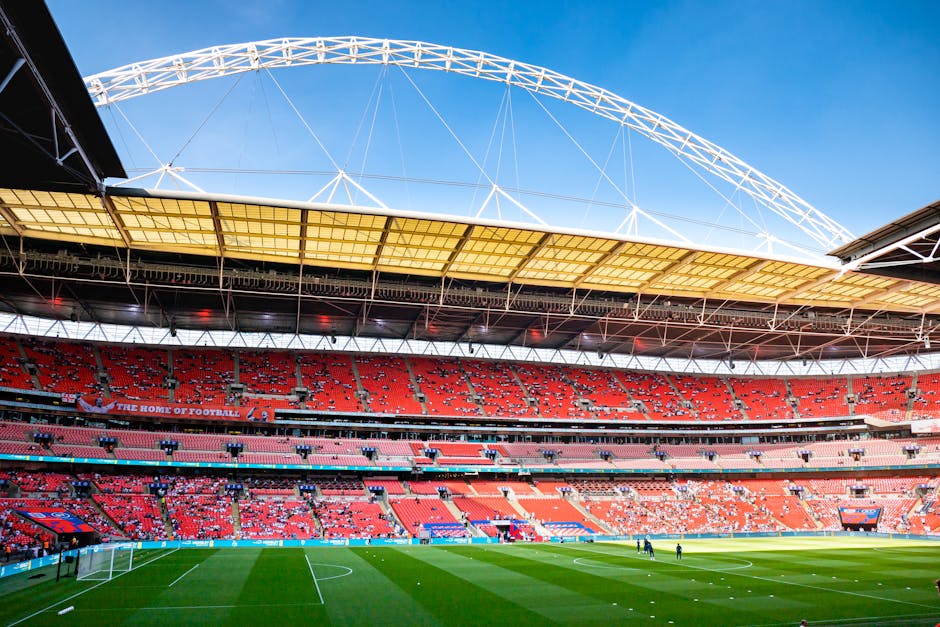
Wembley Stadium event cleaning guide for local venues Brent

If you run a venue in Brent, you already know that event cleaning is not just about "tidying up after the crowds." It is about resetting a space fast, safely, and properly so the next booking starts on the right foot. This Wembley Stadium event cleaning guide for local venues Brent is designed for exactly that reality: busy turnarounds, heavy footfall, food spillages, muddy entrances, worn toilets, and the awkward little details that always seem to appear right after the doors close.
Whether you manage a hall, bar, function room, hospitality space, office event area, or a local venue that sees match-day traffic from Wembley Stadium, the cleaning plan needs to be more than surface-level. In practice, the difference between a smooth turnover and a stressful one usually comes down to timing, team structure, and a clear standard of work. Let's face it, nobody wants to discover sticky floors at 8 a.m. the next morning.
Below, you will find a practical, human guide to planning and delivering event cleaning in Brent. We will cover what matters, how the process works, who needs it, what to avoid, and how to choose the right cleaning approach for your venue.
Why Wembley Stadium event cleaning matters for local venues in Brent
When Wembley Stadium is hosting a major match, concert, or public event, the surrounding area feels it. Nearby venues in Brent often see a different kind of pressure: more footfall, more noise, more waste, and a much tighter cleaning window. Even if your venue is not inside the stadium complex, the ripple effect is real. Guests arrive earlier than expected, linger longer than planned, and bring the usual mix of rain-soaked coats, cups, wrappers, muddy shoes, and the occasional spilt pint.
Event cleaning matters because venues are judged quickly. A single unclean toilet or a visibly sticky bar area can shape a guest's view before the event has even properly started. In hospitality and venue work, first impressions are not a nice extra. They are part of the product.
There is also a wider business reason. Clean venues tend to move faster between bookings, which means less downtime and fewer complaints. If you manage a local hall, conference room, sports venue, or shared event space, good cleaning protects your reputation and reduces the chance of repeat issues. You can almost feel the difference when a room has been properly reset: fresher air, no lingering odours, floors that look cared for, and surfaces that do not immediately catch the eye for the wrong reason.
For Brent venues in particular, the challenge is often logistics. You may be dealing with narrow access, shared entrances, parking pressure, and times when cleaning has to happen quietly and efficiently. That is where a structured approach pays off.
Expert summary: Event cleaning is not just about removing mess. For Brent venues near Wembley Stadium, it is about protecting turnover speed, guest experience, safety, and the venue's professional image.
If your venue also needs broader support between events, it can help to understand related services such as commercial cleaning and deep cleaning, especially where public-facing spaces are used hard and need more than a quick reset.
How Wembley Stadium event cleaning works in practice
A good event cleaning process usually starts before the event, not after it. That sounds obvious, but it is where many teams slip up. In reality, the best results come from planning the clean around the event schedule, the venue layout, and the likely mess points.
Here is the basic flow most local venues should expect:
- Pre-event preparation. The team checks high-risk areas such as entrances, toilets, bars, cloakrooms, seating zones, and waste points.
- During-event monitoring. If the event is large or long-running, light touch-ups may be needed. This keeps bins from overflowing and washrooms from becoming unpleasant halfway through the evening.
- Post-event reset. Once guests leave, the clean becomes more intensive: litter removal, floor care, surface sanitising, toilet deep clean, waste sorting, and spot treatment for spills.
- Final inspection. A last walk-through checks the small stuff, because the small stuff is usually what people notice.
That last step matters more than people think. A venue can look clean from ten feet away and still fail the practical test if there is confetti in corners, drink marks on table legs, or sticky handrails. Truth be told, event cleaning is often won or lost in the corners and edges.
For larger or mixed-use sites, cleaning might be split into zones. Front-of-house areas need presentation-level finishing, while back-of-house areas need hygiene, waste control, and safe surface decontamination. Toilets, bar service points, and entrances usually take priority because they are the highest-contact spaces.
If you are organising recurring events rather than a one-off function, a service model like regular cleaning can support ongoing maintenance between events, while one-off cleaning may suit occasional bookings or seasonal functions.
Key benefits and practical advantages
The value of a proper event cleaning plan goes far beyond appearance. The best venues in Brent tend to treat cleaning as part of event operations, not as an afterthought. And that mindset pays off.
- Better guest experience. Clean venues feel calmer, safer, and more professionally run.
- Faster turnaround. A structured reset means the next event can begin sooner.
- Lower complaint risk. Clean toilets, clear floors, and tidy communal areas reduce avoidable criticism.
- Reduced slip and trip hazards. Quick spill management and floor checks help prevent accidents.
- Stronger venue reputation. People may forget the playlist, but they remember whether the place felt clean.
- Less wear and tear. Prompt cleaning protects carpets, upholstery, and hard surfaces from long-term staining.
One practical benefit that is often overlooked: staff morale. When your team arrives to a venue that has been reset properly, the whole shift starts differently. It is easier to focus, easier to host, and easier to spot issues before they become complaints.
There is also a simple commercial angle. If you already invest in guest-facing presentation, pairing event cleaning with services such as window cleaning, carpet cleaning, or upholstery cleaning can make a noticeable difference to the overall finish. A room can be spotless, but if the windows are smeared or a sofa smells stale, the effect is lost.
Who this is for and when it makes sense
This guide is most useful for venue owners, event managers, facilities teams, landlords with event spaces, hospitality operators, and community organisations in Brent. If your venue sees any of the following, event cleaning should be on your radar:
- match-day crowds passing through from Wembley Stadium
- weddings, parties, or private functions
- live music or ticketed entertainment
- corporate launches or networking events
- community gatherings, faith events, or charity functions
- short turnaround hire spaces with multiple bookings in a week
It also makes sense when your current cleaning team is stretched. Sometimes an in-house cleaner is excellent for routine work but simply cannot cover a late finish, a busy post-event reset, and a next-day open all at once. That is normal. Not every venue needs the same model.
For smaller premises, the best option may be a one-off or post-event clean. For busier commercial sites, a combination of planned office cleaning-style maintenance and event-specific deep cleaning can be more effective. In communal or shared buildings, communal area cleaning can be especially useful where lobbies, stairwells, or shared washrooms get heavy use.
Step-by-step guidance
If you want a clean that holds up under scrutiny, the process needs to be clear. Here is a straightforward method that works well for local venues in Brent.
- Map the event layout. Identify entrances, exits, toilet blocks, storage rooms, bars, seating areas, and any external smoking or queuing zones.
- Predict the mess. A seated dinner creates different cleaning needs from a standing concert. Drinks, grease, confetti, glass, mud, and cosmetics all behave differently. Annoying, but true.
- Set priorities. Toilets, floors, touchpoints, bins, and spill zones come first. Decorative areas can wait if time is tight.
- Prepare supplies in advance. Do not waste 20 minutes hunting for bin liners. That tiny delay adds up.
- Use zone cleaning. Tackle one space fully before moving to the next so nothing is missed.
- Deal with waste properly. Separate recyclable material where appropriate and remove bagged waste promptly.
- Check touchpoints. Door handles, taps, flush plates, rails, switches, and counters should be wiped carefully.
- Finish with a final inspection. Walk the space as a guest would. Look down, not just around.
If the venue includes fitted kitchens, service counters, or catering prep points, specialist tasks may also be needed. For example, oven cleaning and after builders cleaning can be relevant if a space has had refurbishment, repairs, or heavy food production nearby. And if sofas, chairs, or fabric banquettes are part of the room, don't ignore them. They hold odours and stains longer than people expect.
For that reason, local venues often benefit from pairing event cleaning with sofa cleaning, rug cleaning, or mattress cleaning in accommodation or staff areas where fabric items pick up dust and spill residue over time.
Expert tips for better results
Here are the habits that usually separate a decent event clean from a genuinely good one.
- Work backwards from opening time. If doors open at 9 a.m., build your clean around a real finish time, not an optimistic one.
- Focus on visible lines. Edges, skirting, thresholds, and corners are where dirt quietly gathers.
- Keep separate cloths for toilets and food areas. It sounds basic because it is basic, and basic is often what saves you trouble.
- Use scent sparingly. Fresh is better than overpowering. Nobody wants a room that smells like a chemical storm at 7:30 in the morning.
- Spot-clean immediately. A fresh spill is much easier to remove than a dried stain.
- Document recurring issues. If the same entrance gets muddy every event, plan for it rather than reacting every time.
A small but useful tip: assign one person to "final eyes" duty. They are not cleaning; they are checking. That extra pair of eyes catches the obvious things people miss when they have been cleaning for two hours straight. Happens all the time.
For venues that host seasonal peaks or weekend spikes, a simple maintenance routine between events helps a lot. That is where services like one-off cleaning and regular cleaning become useful tools rather than abstract options.
Common mistakes to avoid
Most event cleaning problems are not dramatic. They are practical, repeatable, and avoidable. The big ones are usually these:
- Underestimating toilet traffic. Toilets often need the most attention and the quickest re-checks.
- Cleaning only what is visible from the doorway. Guests move through the whole space, not just the first two metres.
- Leaving waste sorting until the end. If bagging and disposal are delayed, the clean slows down and smells linger.
- Using the wrong products on the wrong surfaces. Some finishes need gentle care, not aggressive scrubbing.
- Skipping the final inspection. This is the classic one. The room looks fine, until someone opens a cupboard or notices a forgotten napkin under a table.
Another common issue is poor communication between the event team and the cleaning team. If the cleaner does not know where spillages happened, which rooms were used, or whether the crowd spilled into the corridor, the clean becomes guesswork. And guesswork is expensive.
In shared buildings, it is also easy to forget the routes people used, not just the main event room. Corridors, lift lobbies, external steps, and handrails often need as much attention as the main hall. A good house cleaning or domestic cleaning mindset can actually help here, because it encourages the cleaner to think in zones and habits, not just tasks.
Tools, resources and recommendations
You do not need a warehouse full of kit to manage event cleaning well, but you do need the right basics and a sensible process. The exact setup depends on venue size, surface types, and what kinds of events you host. Still, most teams should have the following ready:
- microfibre cloths and colour-coded cloth sets
- neutral surface cleaners and disinfectant suitable for the area
- mop systems with clean water changes
- floor-safe warning signage where needed
- heavy-duty waste bags and bin liners
- gloves and basic PPE for staff
- spot treatment products for stains and spills
- vacuum equipment suitable for carpets and fabric areas
For venues with mixed flooring, having the right carpet care matters a lot. A hard floor might recover from footfall quickly, but carpets can hold grit, drink residue, and odour if they are not handled correctly. That is why carpet cleaning is often worth considering after larger gatherings, especially where muddy shoes or food debris are common.
Where you have a lot of fabric furniture, upholstery cleaning can help keep seating presentable and reduce the stale, "last weekend's event" feeling that creeps into venues if soft furnishings are neglected. Similar logic applies to regular soft furnishing care through sofa cleaning.
On the operational side, it is sensible to keep a simple post-event log: date, type of event, main issues, any damage, and anything that needed special treatment. Nothing fancy. Just enough to spot patterns and plan better next time.
Law, compliance, standards and best practice
For venue cleaning in the UK, the most sensible approach is to follow recognised health and safety best practice, use suitable products, train staff properly, and keep records where they are needed. You do not need to overcomplicate it, but you do need to take it seriously.
In practical terms, that means paying attention to:
- health and safety duties for staff and contractors
- safe use of cleaning chemicals and correct dilution
- slip and trip prevention during and after cleaning
- safe waste handling and disposal
- insurance cover for work carried out on site
- safeguarding of guest and staff areas where applicable
If you are choosing an external provider, ask how they manage site safety, supervision, and accident prevention. A solid contractor should be able to explain their approach clearly. You should also check their public-facing policies, such as health and safety policy and insurance and safety information, because those details matter when a venue is busy and the stakes are real.
Environmental practice is worth considering too. Good recycling habits, reduced chemical waste, and careful product use can help venues run more responsibly. If that matters to your organisation, the page on recycling and sustainability is a useful reference point for the kind of thinking that supports cleaner operations without wasteful habits.
One more thing: if your venue handles customer data, payments, or booking details during events, it is sensible to choose contractors who are straightforward about privacy and security. That may sound administrative, but admin is what keeps things tidy behind the scenes.
Options, methods and comparison table
Not every venue needs the same cleaning model. Some need occasional post-event support. Others need a recurring system built around every hire, match, or performance. The table below gives a practical comparison.
| Cleaning approach | Best for | Strengths | Limitations |
|---|---|---|---|
| In-house event clean | Smaller venues with limited bookings | Quick to organise, familiar with the space | Can struggle with late finishes and peak demand |
| One-off post-event clean | Occasional functions or seasonal use | Flexible, cost-conscious, good for reset jobs | Less useful for ongoing maintenance |
| Regular scheduled cleaning | Busy venues with repeat bookings | Consistent standards, less drift in cleanliness | Needs planning and budget commitment |
| Deep clean plus event support | High-traffic venues or spaces with stubborn grime | More thorough, better for toilets, floors, and fabrics | Requires longer access and more coordination |
In many Brent venues, the best answer is a hybrid. A routine clean keeps standards stable, while event-specific support handles the heavy lift after larger gatherings. That approach tends to feel less chaotic, which is no small thing when your team is juggling keys, guests, and a very tired floor.
For spaces that operate like workplaces during the week and event venues at weekends, office cleaning can form part of the base routine, with event resets layered on top as needed.
Case study or real-world example
Picture a mid-sized Brent venue that hosts a Friday evening private event followed by a Saturday daytime community booking. Nothing extreme, but enough to create pressure. After the Friday function, there are drink marks around the bar, confetti near the stage, muddy prints by the rear entrance, and two toilets that need more than a cursory wipe.
Instead of leaving everything for the morning team, the venue does a same-night reset. Waste is removed immediately, the bar and toilets are prioritised, and the floor around entrances is checked before the staff clock off. The next morning, the venue still needs a light refresh, but it is nowhere near as bad as it would have been. That means the second booking starts calmly, not in panic mode.
Now, that is not magic. It is just planning.
What made the difference was simple: the venue had a checklist, the cleaners knew the event layout, and there was a clear handover from events staff to cleaning staff. In real life, this kind of coordination matters more than fancy products or a dramatic "deep clean" label. The basics done properly usually beat a flashy promise.
For venues that also host short-stay accommodation or guest rooms, supporting services like move-in cleaning and move-out cleaning can be useful when spaces change hands quickly between uses. It is all about protecting the handover.
Practical checklist
Use this checklist before and after each event. It keeps the process simple, and simple usually wins.
- Confirm event finish time and cleaning access time
- Identify the highest-traffic areas in the venue
- Prepare bins, liners, cloths, and floor equipment
- Check toilet supplies before guests arrive
- Assign someone to monitor waste during the event if needed
- Remove visible litter and glass safely after the event
- Wipe all major touchpoints and serving surfaces
- Clean and inspect toilets thoroughly
- Vacuum or mop floors with attention to entrances and spill zones
- Check upholstery, carpets, rugs, and soft seating for stains
- Ventilate the space if odours linger
- Do a final walk-through before signing off
- Record any damage, missing items, or recurring problem spots
Checklist done well. Nothing glamorous about it, but it works.
Conclusion
A solid Wembley Stadium event cleaning guide for local venues Brent is really a guide to running a better venue. Cleanliness affects reputation, safety, turnover speed, and how people feel when they step through the door. For venues near Wembley Stadium, the pressure can arrive all at once, so the answer is not to improvise every time. It is to build a repeatable system that fits your space, your staff, and your event pattern.
The best results come from a mix of planning, practical supplies, honest timing, and a final inspection that does not cut corners. Keep your priorities clear, protect the high-contact areas, and treat cleaning as part of the event itself. That mindset saves stress later. Usually a lot of it.
If you are reviewing your current setup, start with the areas that create the biggest friction: toilets, floors, entrances, and soft furnishings. Small changes there can make the whole venue feel better almost immediately. And sometimes that is all a guest needs to notice.
Get a free quote today and see how much you can save.
When the next crowd leaves, you will be glad the plan was already in place. That calm, reset feeling is worth more than people think.
Frequently Asked Questions
What does event cleaning include for a Wembley Stadium area venue?
It usually includes litter removal, floor cleaning, toilet sanitising, touchpoint wiping, waste handling, spill treatment, and a final venue reset so the space is ready for the next booking.
How soon should cleaning happen after an event?
As soon as the venue is clear and safe to access. For busy Brent venues, the best time is often the same night or very early the next day, especially if there is another booking soon after.
Do I need a specialist cleaner for post-event work?
Not always, but specialist support is helpful when the event is large, the venue has high footfall, or there are fabrics, carpets, and toilets that need more than a light tidy.
What areas cause the most problems after events?
Entrances, toilets, bars, bin points, seating areas, and any route used heavily by guests. These are the places where dirt, spillages, and odours tend to build fastest.
Is one-off cleaning enough for a local venue?
For occasional use, yes, it can be. But if your venue hosts regular functions or sees stadium-related traffic often, a recurring cleaning plan is usually more reliable.
How do I stop floors becoming slippery after an event?
Deal with spills immediately, use suitable floor products, and make sure mopping is followed by proper drying and warning signage where needed. A rushed mop can make things worse, not better.
What is the difference between deep cleaning and event cleaning?
Event cleaning focuses on resetting the venue after a specific occasion. Deep cleaning goes further and deals with embedded dirt, harder-to-reach grime, and more intensive surface treatment.
Should soft furnishings be included in event cleaning?
Yes, if the venue has sofas, chairs, banquettes, rugs, or similar items. These surfaces collect spills and odours quietly, and they can make a clean room feel tired if ignored.
How do I choose the right cleaning schedule for my venue?
Look at booking frequency, event size, floor type, and how quickly the space has to turn around. A venue with back-to-back bookings usually needs more than an occasional clean.
What should I ask a cleaning provider before booking?
Ask about their experience with event work, what is included, how they handle safety, whether they are insured, and how they deal with toilets, carpets, and waste. Clear answers are a good sign.
Can event cleaning help with customer complaints?
Absolutely. Clean toilets, tidy entrances, and fresh-smelling rooms reduce the kind of small annoyances that often become complaints. Cleanliness is one of those things people notice instantly, if only when it is missing.
Where can I find related cleaning support for my venue?
Depending on your setup, it can help to look at services such as commercial cleaning, deep cleaning, window cleaning, and oven cleaning for catering or hospitality areas.